
Çekmeköy Hospital
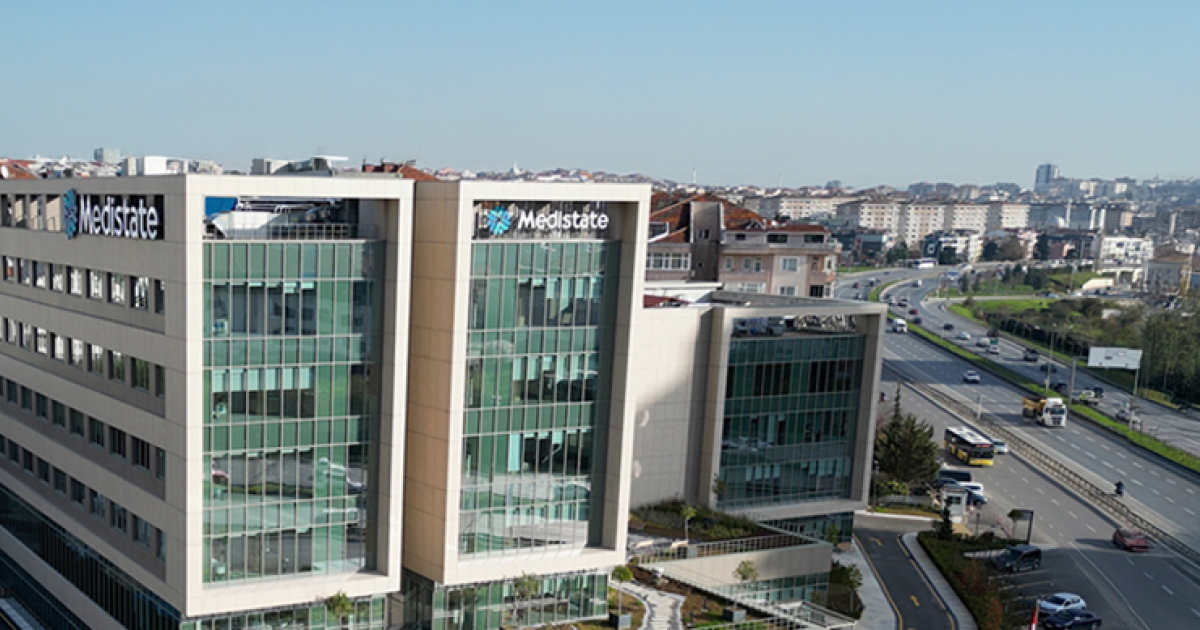

About the Hospital
Medistate Your Health Matters.
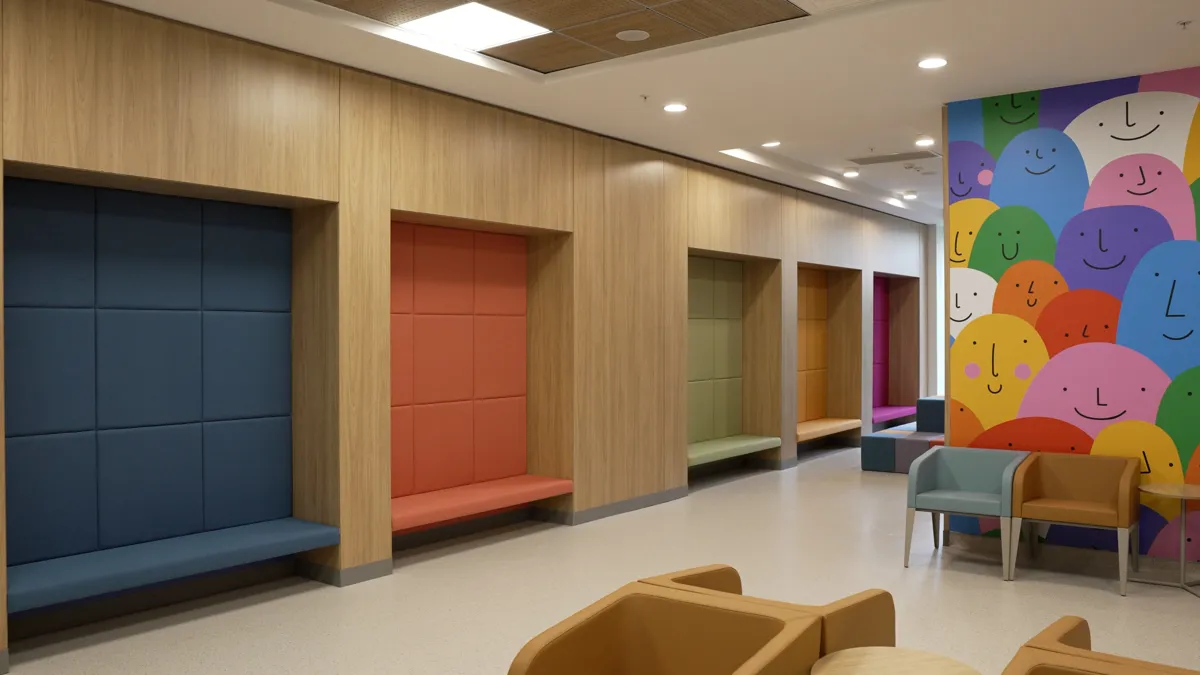
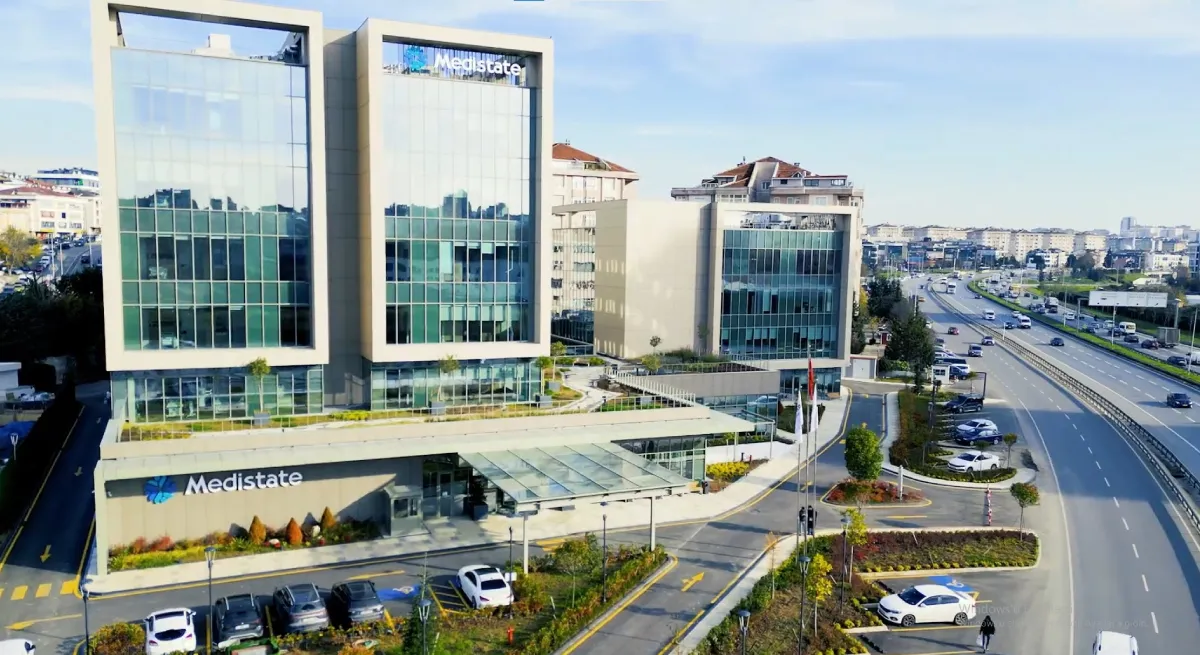
Medistate Çekmeköy Private Hospital is a modern healthcare center established in Çekmeköy, one of Istanbul’s rapidly developing districts, with the aim of providing modern healthcare services to the highest quality standards. With its extensive capacity, state-of-the-art medical equipment, and team of specialist physicians, the hospital aims to provide reliable healthcare services to the local community. Spanning approximately 22,000 square meters, our hospital offers healthcare solutions that meet international standards for both outpatient and inpatient care. Our hospital operates in accordance with the principles of patient safety, commitment to ethical values, and a scientific approach; Medistate Çekmeköy Private Hospital combines the possibilities of modern medicine with a patient-centered approach to provide a high-quality healthcare experience for individuals of all ages.

24/7 Service
With a team of specialist physicians and experienced healthcare staff, we provide uninterrupted healthcare services 24/7.

Smart Building Technology
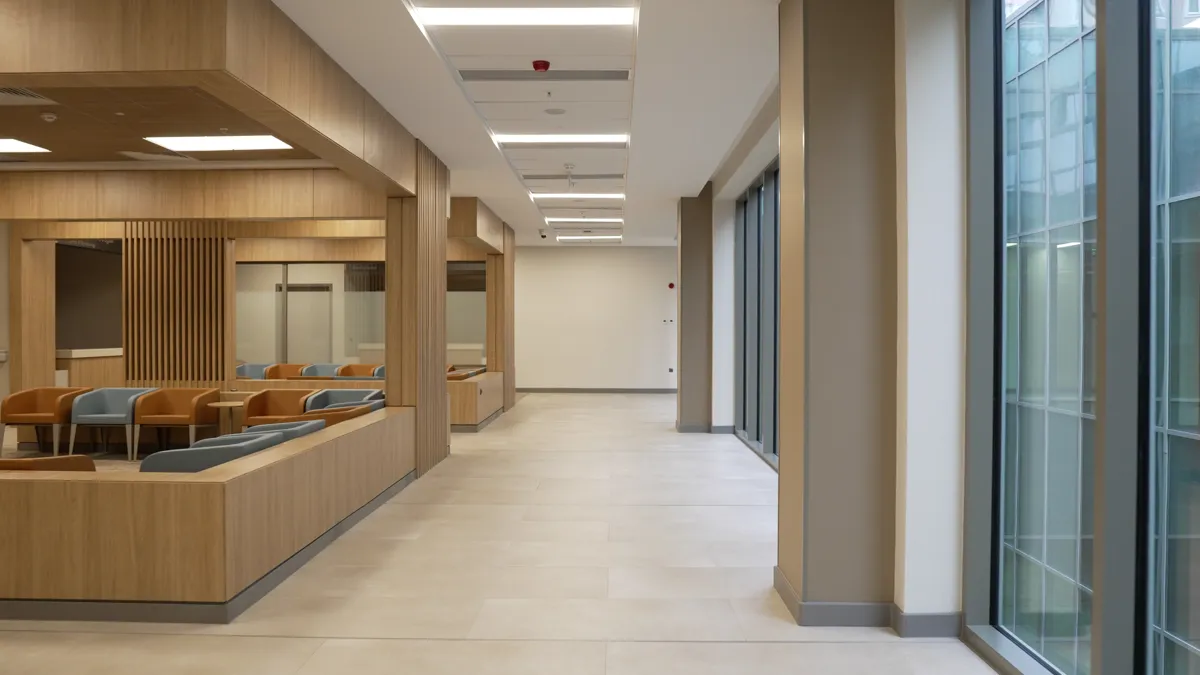
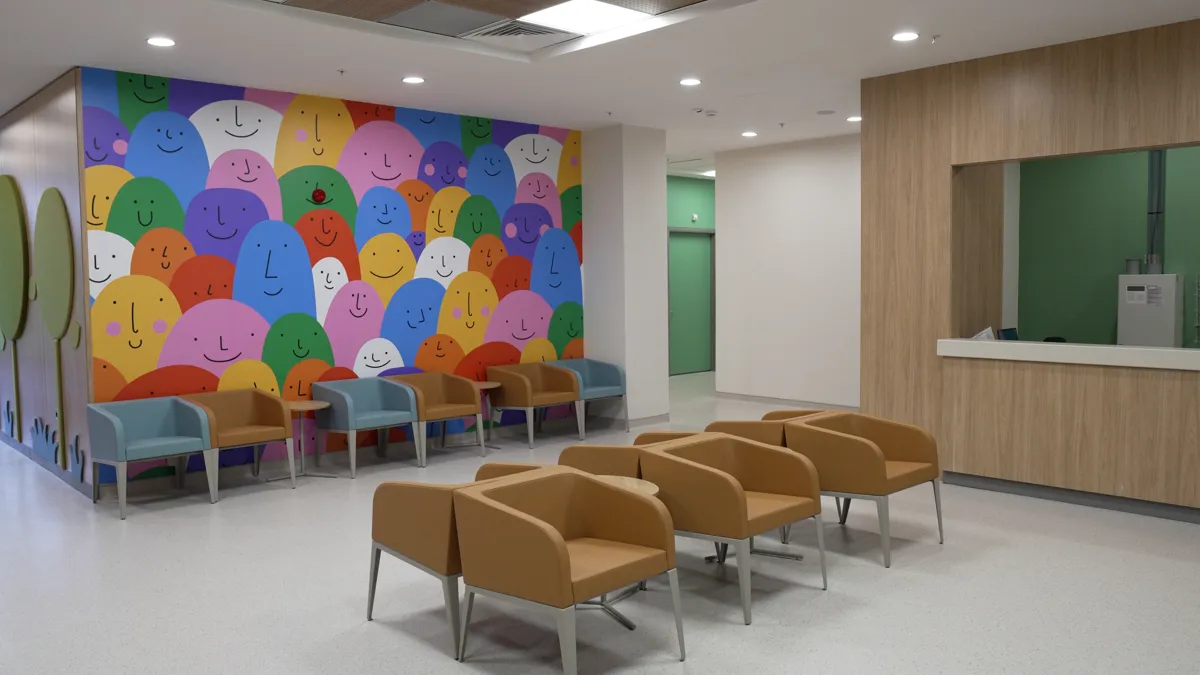
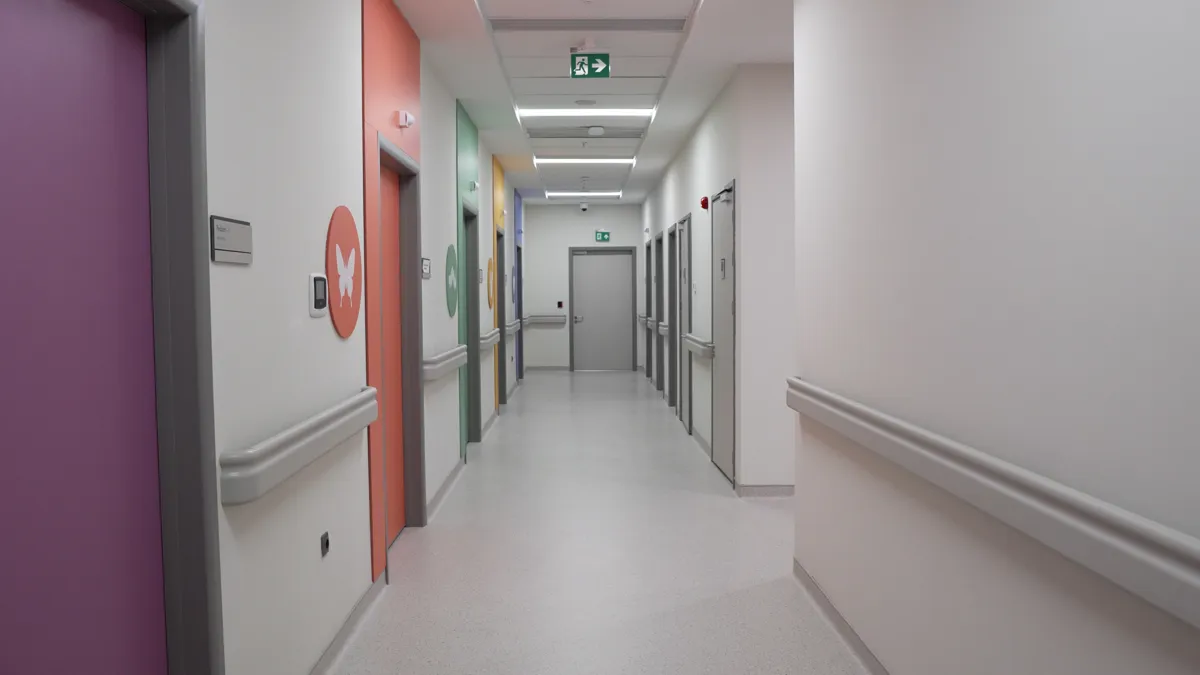
By combining modern healthcare services with smart building technology, patients are provided with a safe and comfortable environment.

Technological Capabilities
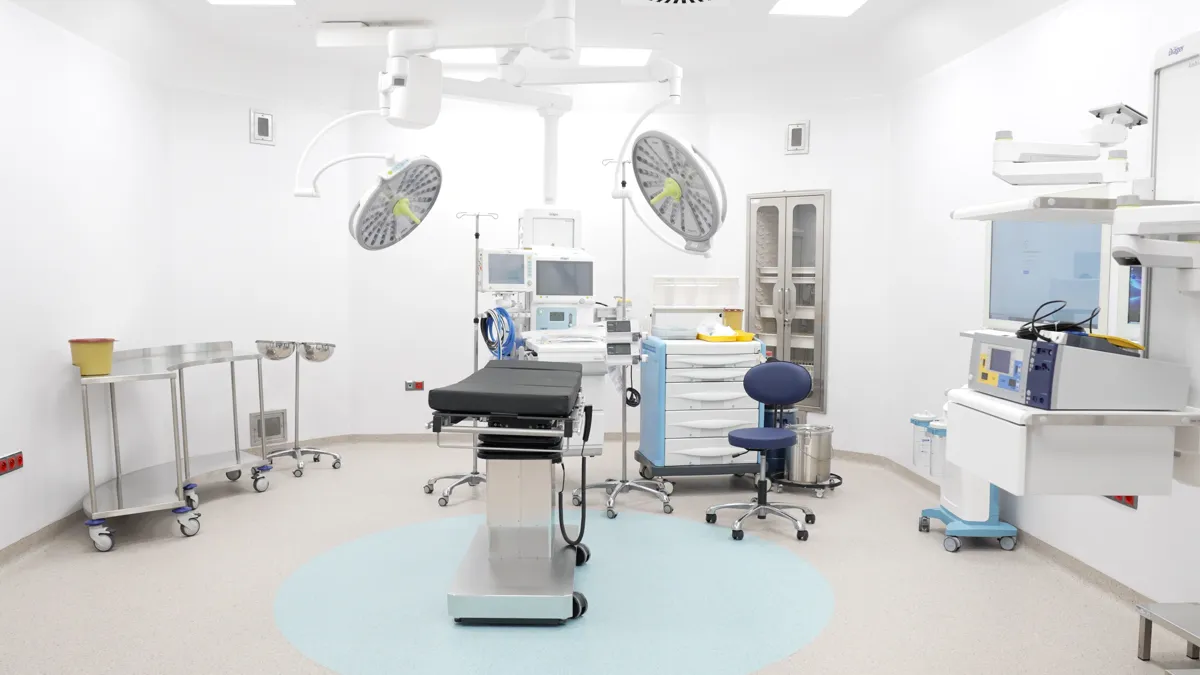
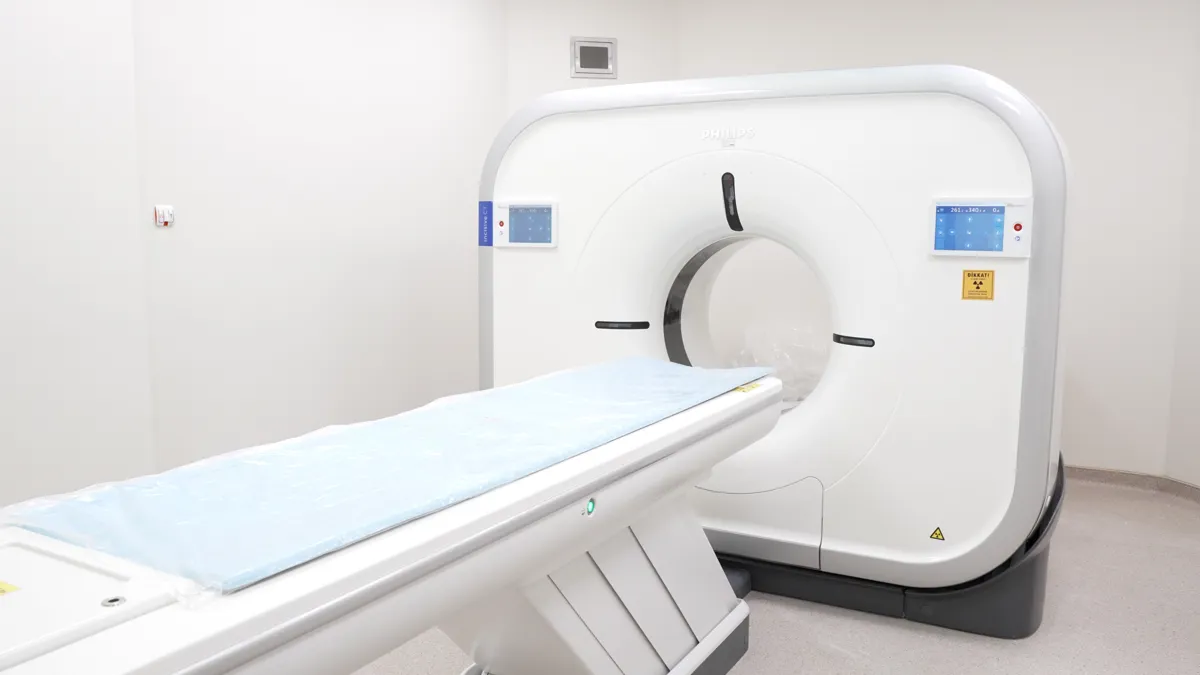
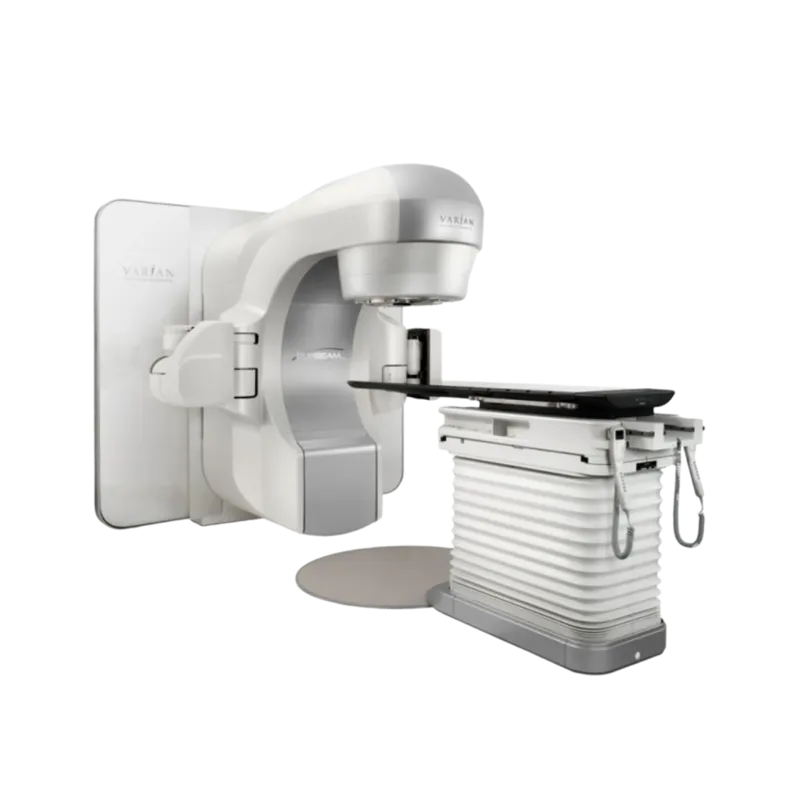
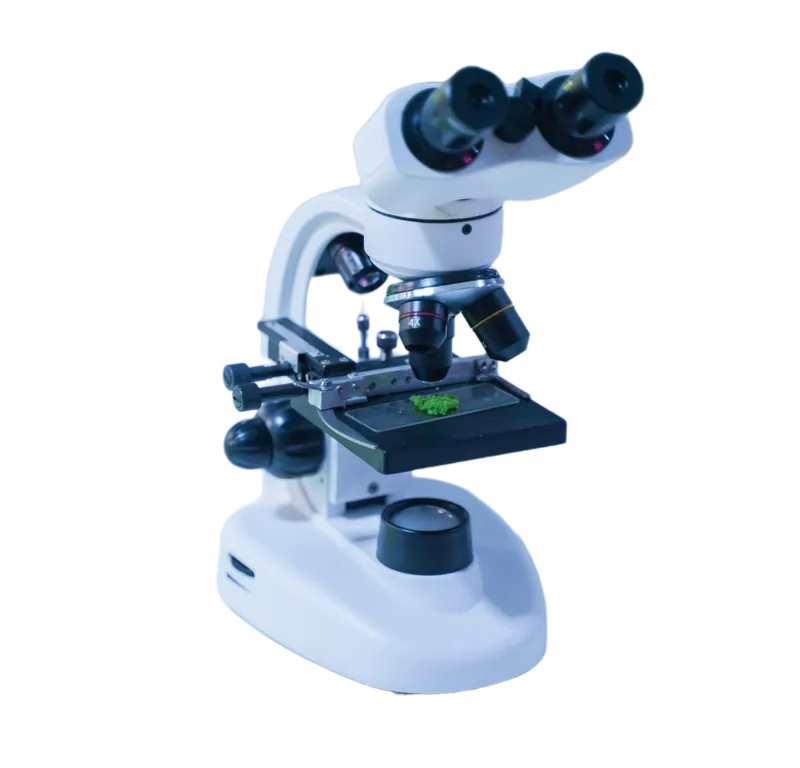
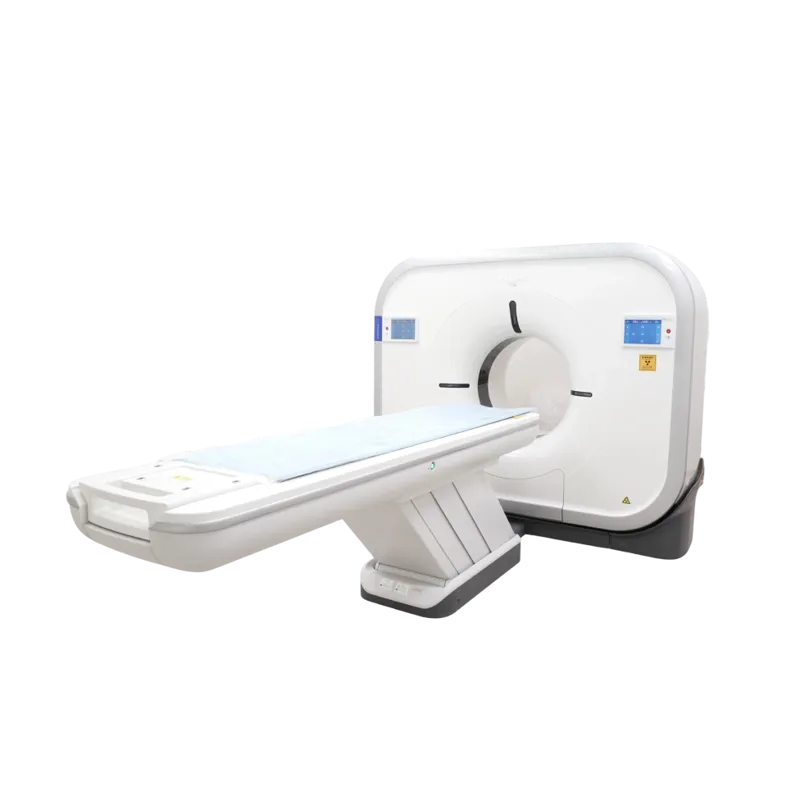
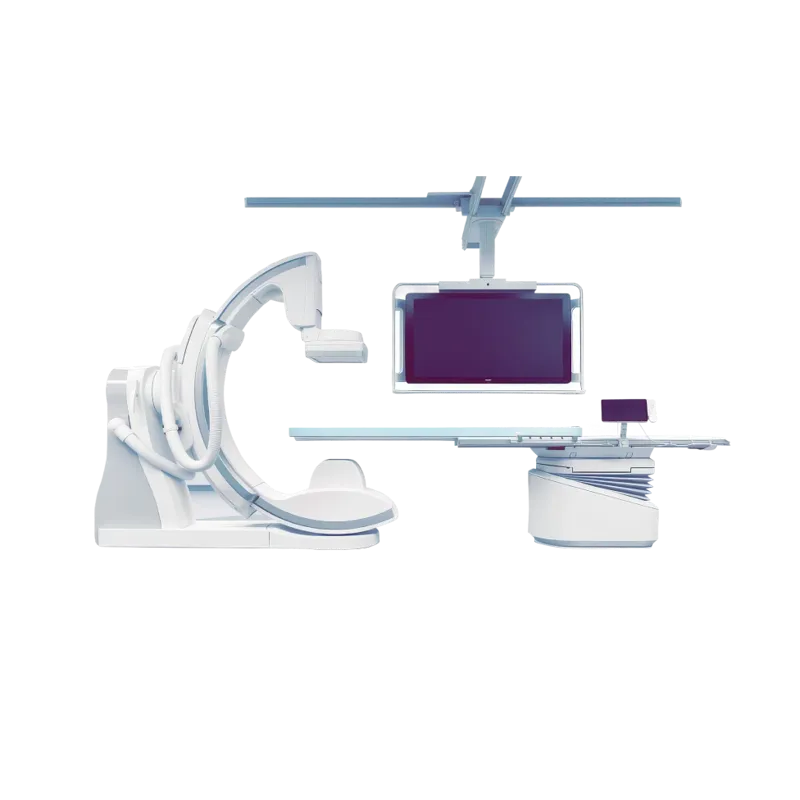
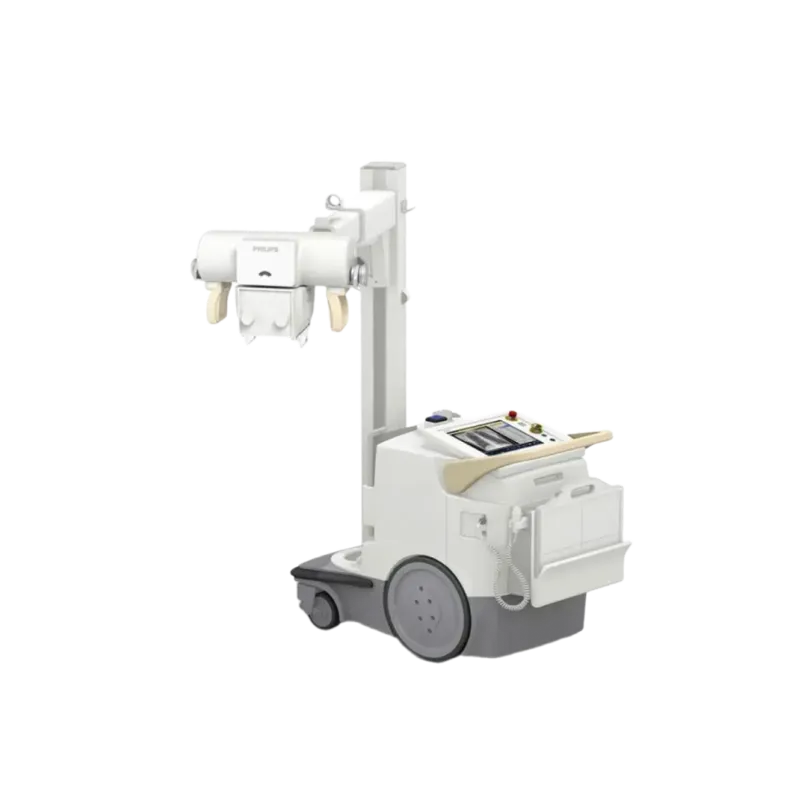
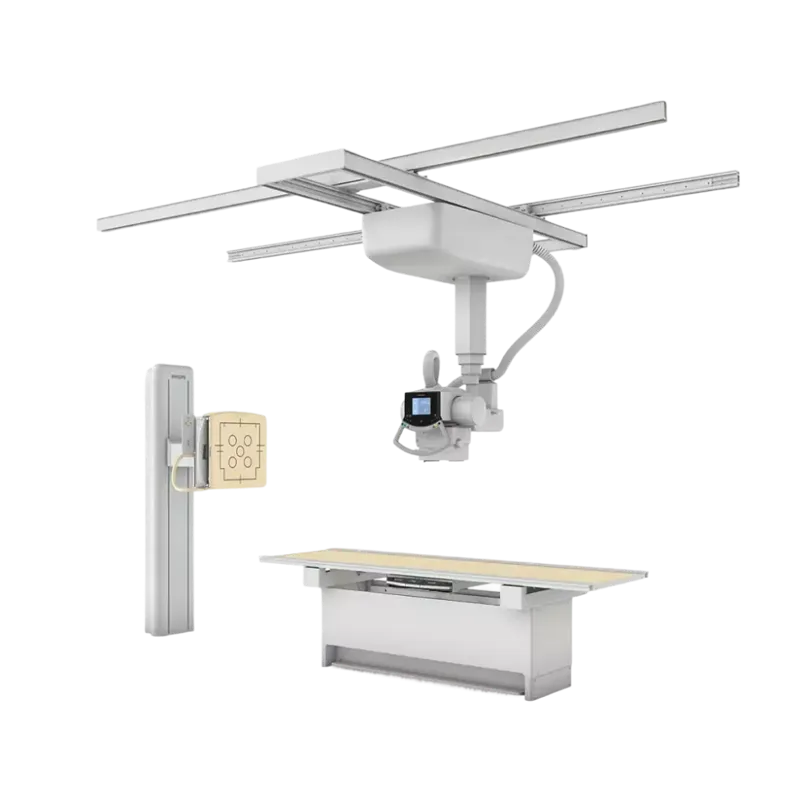
At this hospital, which is known for its modular operating rooms, the entire imaging infrastructure ensures a high-quality, fast, and secure diagnostic process.

Premium Maternity Care
With the option of “water birth,” which makes the birthing process easier, mothers can give birth in a comfortable and peaceful environment.
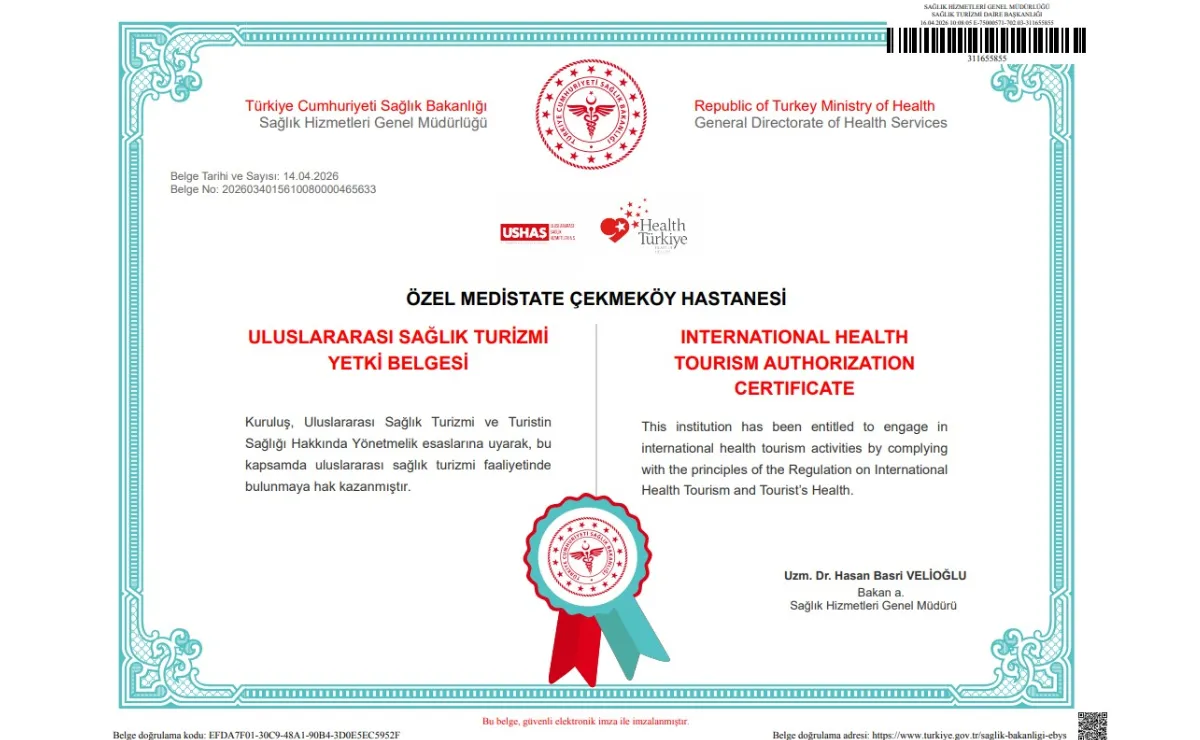
INTERNATIONAL HEALTH TOURISM AUTHORIZATION CERTIFICATE
This institution is entitled to operate in the field of International Health Tourism and Tourist's Health, in accordance with the Requirements for International Health Tourism Health Fazcility and the general principles of the Regulation.
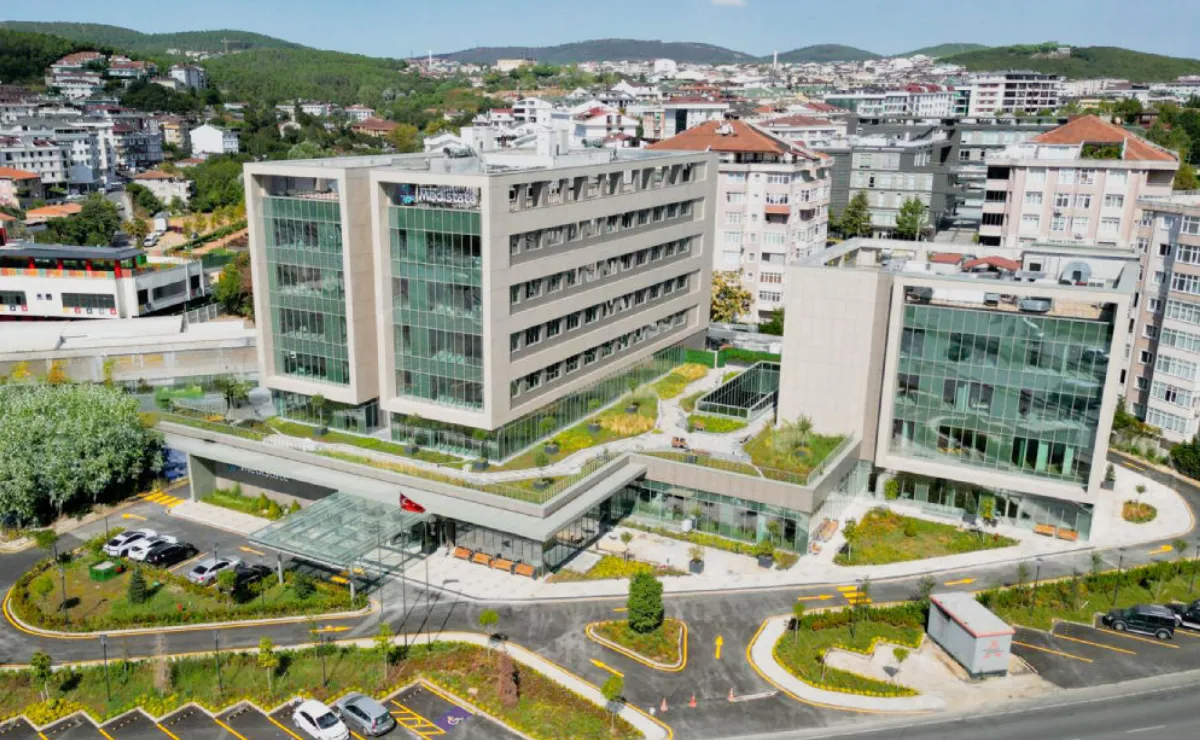
22,000 square meters of indoor space
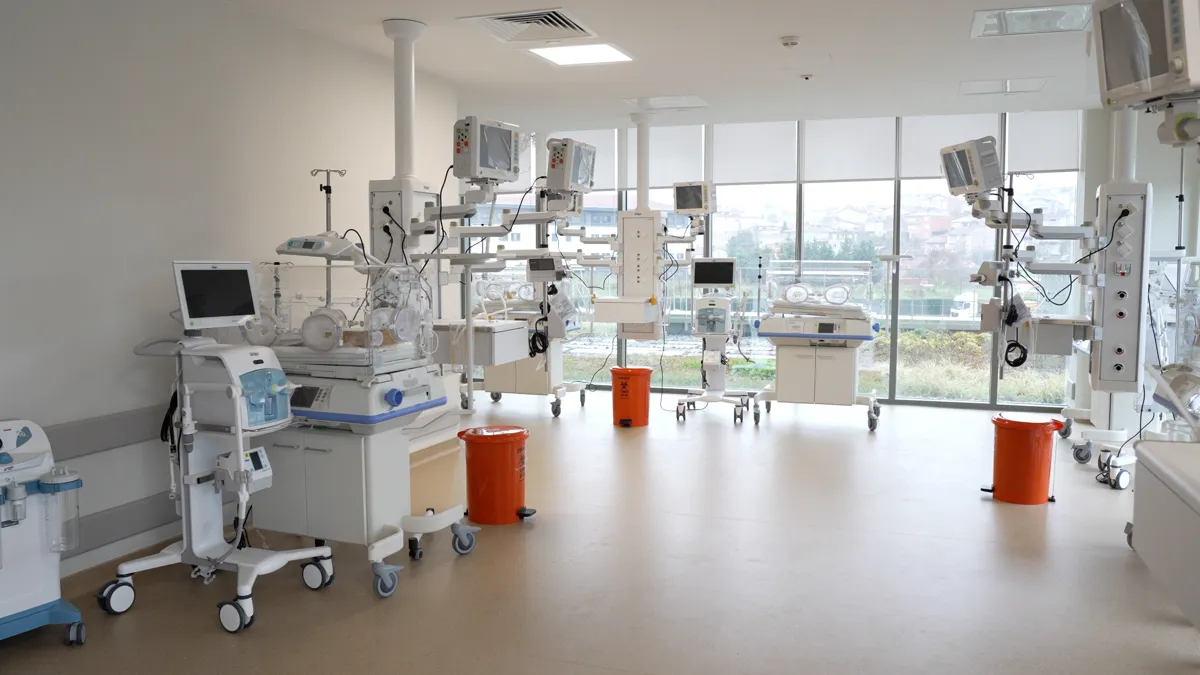
Built on a 22,000-square-meter indoor area, Medistate Çekmeköy Private Hospital has begun providing services in CekmekOy with a capacity of 150 beds, a professional medical staff, and 13 neonatal, 16 adult, and 4 endoscopy units equipped with state-of-the-art technology.
Advanced Emergency Department
The Emergency Department at Medistate Çekmeköy Private Hospital is a fully equipped unit capable of providing rapid response and offering uninterrupted service 24 hours a day, 7 days a week. The team, consisting of experienced emergency medicine specialists, nurses, and medical staff, provides rapid diagnosis and treatment services using state-of-the-art diagnostic and imaging equipment.
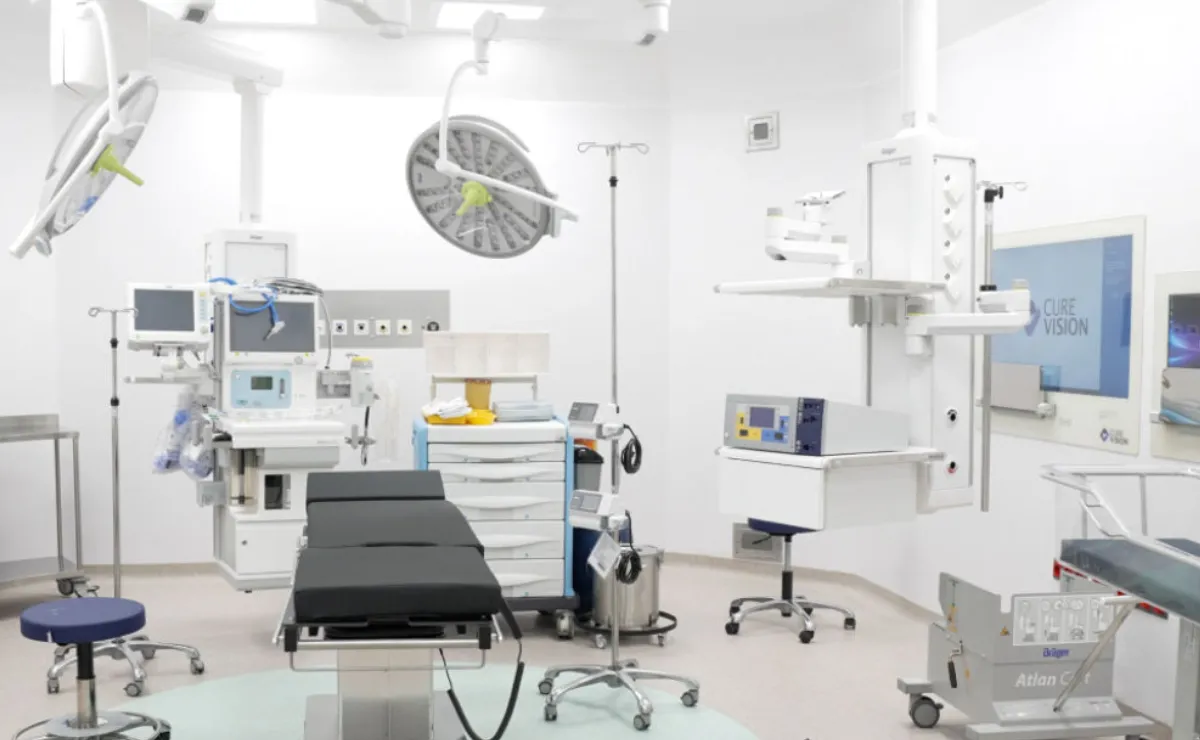
Robotic Devices
Our hospital offers state-of-the-art treatment options through advanced healthcare services. The advanced robotic systems we use ensure high precision and safety throughout the diagnostic and treatment processes. Used in a wide range of areas, from surgical procedures to physical therapy, these systems minimize human error while shortening patients’ recovery times.
Gallery

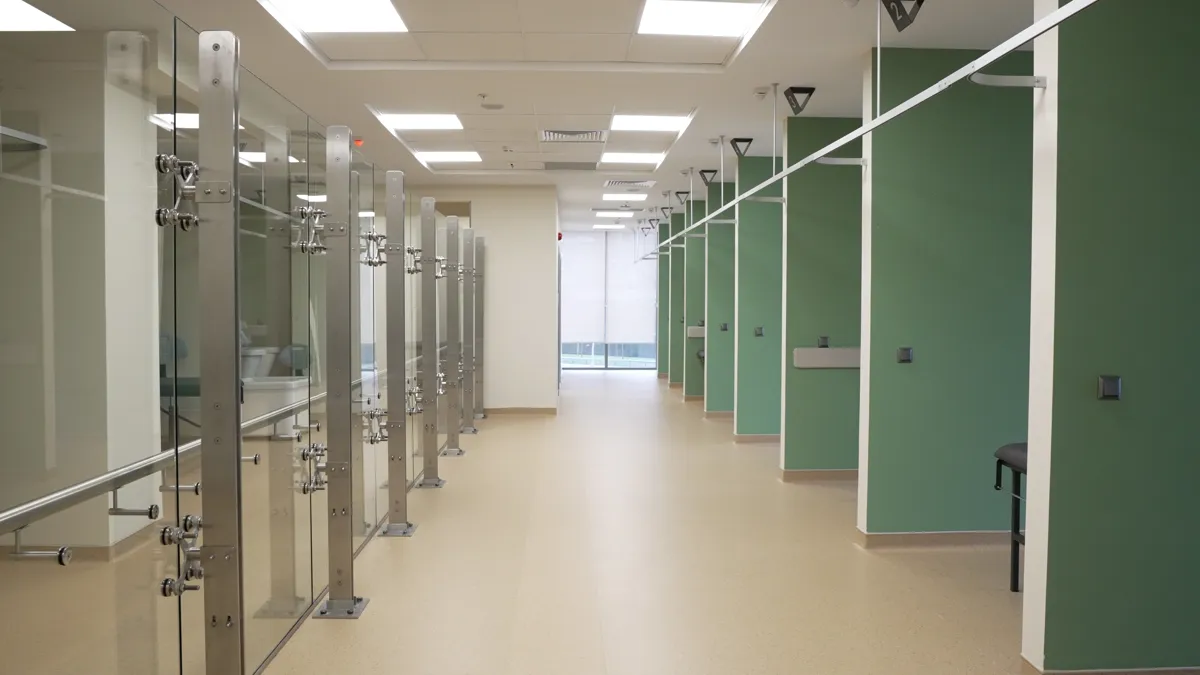
Video Promocional
Featured Services
Radiation Oncology is a medical specialty that uses ionizing radiation in the treatment of cancer. Its primary goal is to target tumor tissue to destroy cancer cells or inhibit their growth while preserving healthy tissues as much as possible.
The treatment process is carried out through a patient-specific radiotherapy program. Modern technologies enable highly precise radiation delivery, increasing treatment effectiveness and minimizing side effects. Radiation oncology can be applied alone or in combination with other treatments such as surgery and chemotherapy.
Internal Medicine is a core medical specialty focused on the diagnosis, treatment, and follow-up of adult diseases affecting internal organs.
Common areas of interest include diabetes, hypertension, thyroid disorders, gastrointestinal diseases, infections, anemia, and metabolic disorders.
Internists conduct comprehensive health assessments, monitor chronic conditions, and refer patients to relevant subspecialties when necessary. The primary goal is to achieve early diagnosis, prevent complications, and maintain overall health through a holistic approach.
Nutrition and Dietetics is a scientific discipline focused on maintaining and improving health and planning medical nutrition therapy for various diseases.
Dietitians create personalized nutrition programs based on an individual’s age, gender, lifestyle, existing health conditions, and metabolic needs.
Evidence-based approaches are applied in areas such as obesity, diabetes, hypertension, cardiovascular diseases, gastrointestinal disorders, and sports nutrition. The primary goals are to achieve healthy weight management, reduce the risk of chronic diseases, and promote sustainable eating habits.
Urology is a surgical medical specialty focused on the diagnosis and treatment of diseases affecting the kidneys, urinary tract, bladder, and male reproductive system.
Common conditions managed in urology include kidney stones, urinary tract infections, prostate disorders, urinary incontinence, male infertility, and urological cancers such as prostate, kidney, and bladder cancer.
The diagnostic process may involve laboratory tests, imaging studies, and endoscopic procedures. Treatment is personalized and can include medical therapies, minimally invasive interventions, or surgical procedures. The primary goal is to preserve urological health and improve the patient’s quality of life.
Dermatology is the branch of medicine concerned with the diagnosis, treatment and follow-up of diseases of the skin, hair, nails and mucous membranes. Acne, eczema, psoriasis, fungal infections, allergic skin conditions and skin tumours are among the main areas of focus in dermatology.
The diagnostic process involves clinical examination, dermatoscopic examination and, where necessary, laboratory tests. The aim is to protect skin health, treat existing conditions using scientific and up-to-date methods, and improve the patient’s quality of life.
Pediatric endocrinology is a specialty concerned with the diagnosis, monitoring, and treatment of diseases affecting children's hormonal systems. Problems experienced during children's growth and development processes, metabolic disorders, diabetes, obesity, and puberty-related conditions are evaluated and managed by pediatric endocrinologists.
Pediatric endocrinologists deal with the following conditions:
-
Growth Retardation
-
Excessive Height
-
Precocious Puberty
-
Delayed Puberty
-
Thyroid Diseases (hypothyroidism, hyperthyroidism, goiter)
-
Diabetes (Type 1 and Type 2 diabetes)
-
Obesity and Metabolic Syndrome
-
Adrenal Gland Diseases (congenital adrenal hyperplasia, Cushing's syndrome)
-
Pituitary Gland Diseases (growth hormone deficiency, prolactin excess)
-
Disorders of Sexual Development (congenital hypogonadism, androgen insensitivity syndrome)
-
Rickets (bone disorders due to vitamin D deficiency)
-
Hormonal Diseases Related to Bone Development (osteoporosis, hypophosphatasia)
-
Polycystic Ovary Syndrome (PCOS) (in adolescents)
-
Hypoglycemia (low blood sugar)
Nuclear Medicine is a medical specialty that uses radioactive substances (radiopharmaceuticals) for the diagnosis and treatment of diseases, employing advanced imaging and therapeutic techniques.
Key applications include PET/CT, scintigraphy, and functional imaging of organs such as the thyroid, bones, and heart. Additionally, targeted therapies using radioactive iodine or similar agents can be applied for thyroid disorders and certain types of cancer.
The primary goal is to detect diseases early and at a functional level, provide accurate staging, and support the planning of appropriate treatment strategies.
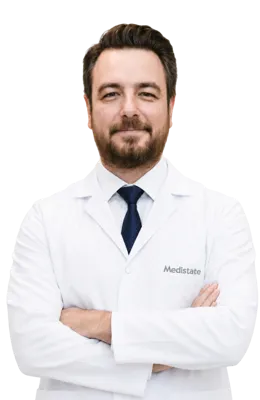
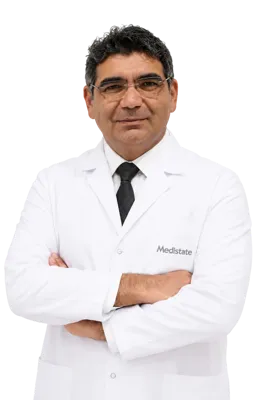
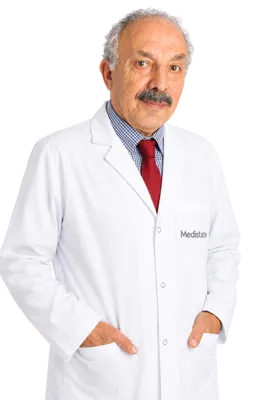
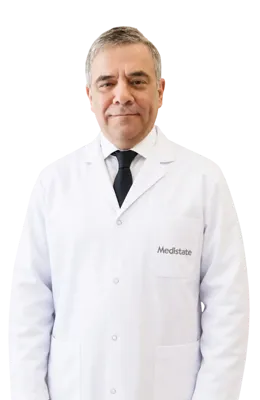
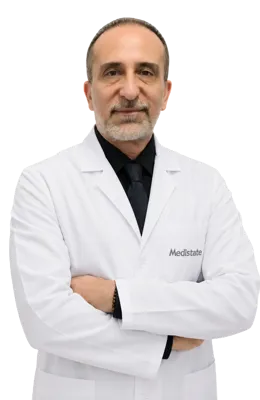
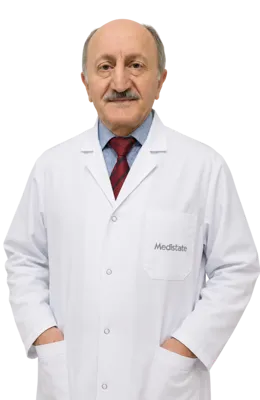
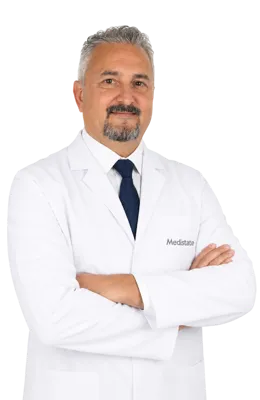
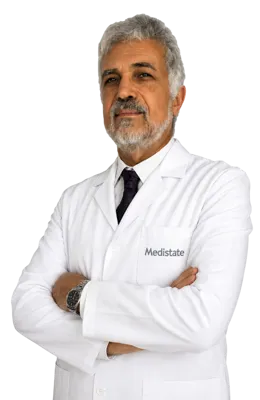
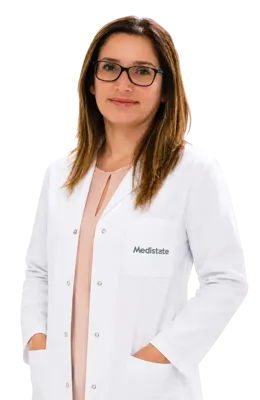
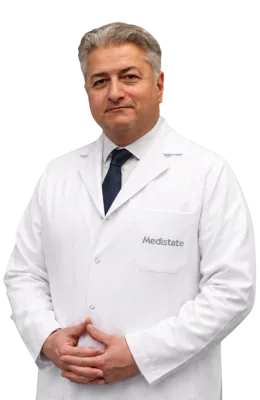
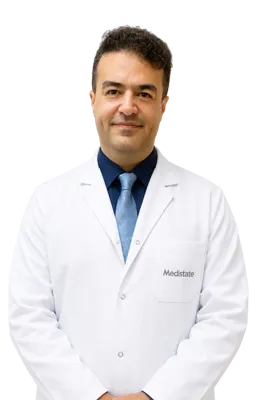
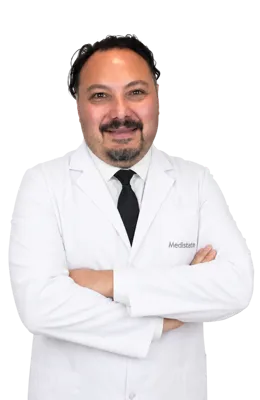
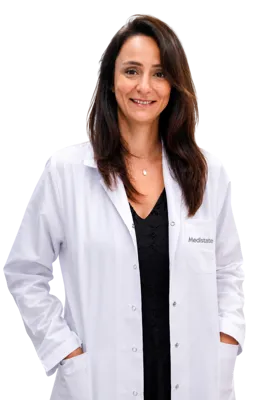
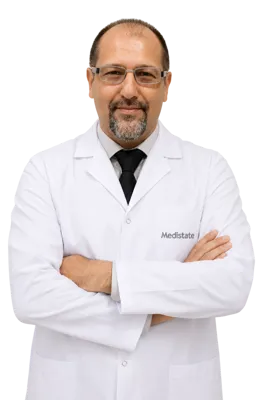
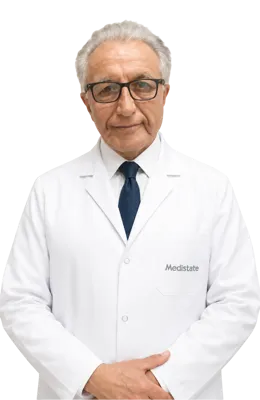
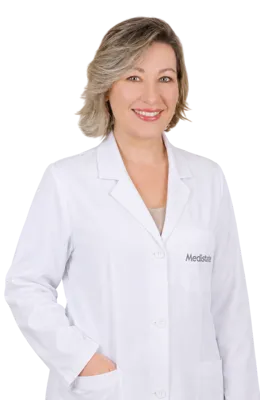
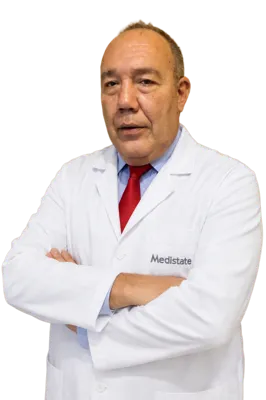
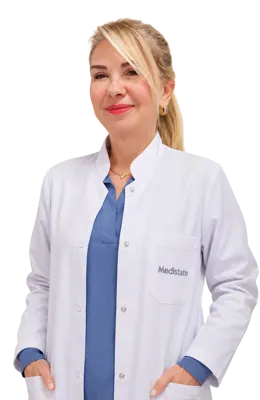
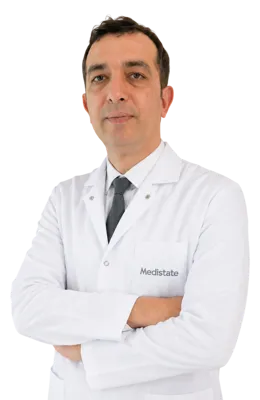
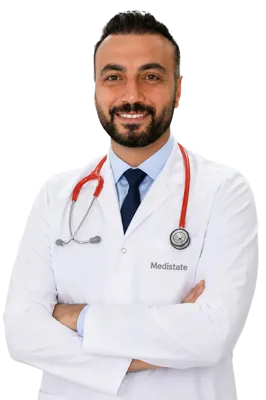
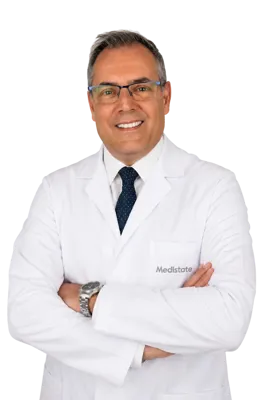
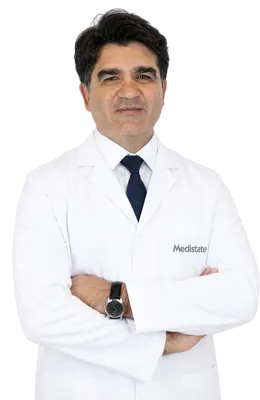
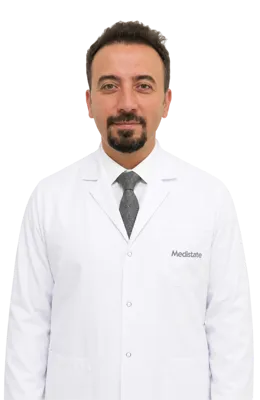
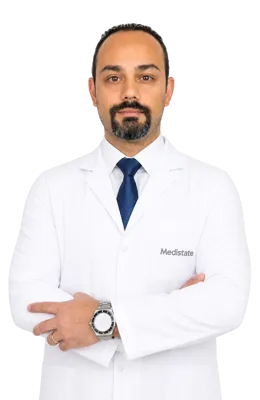
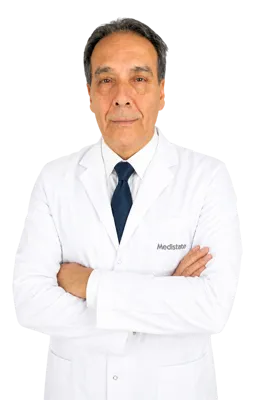
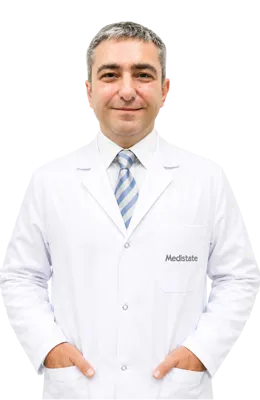
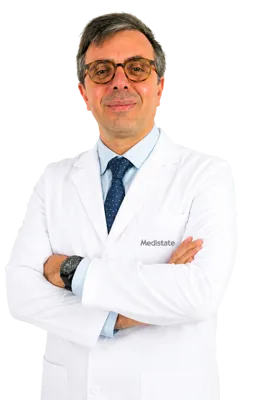
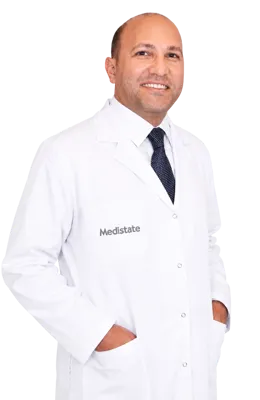
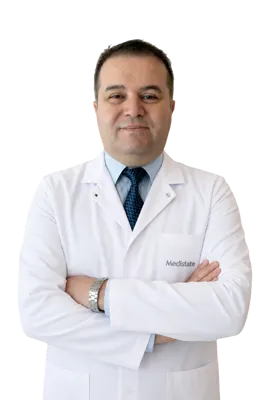
Medistate Çekmeköy Hospital Doctors
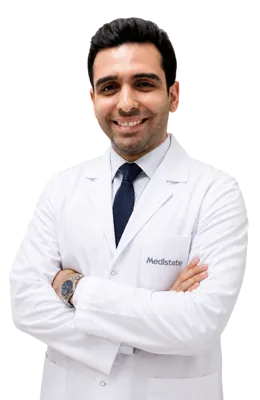
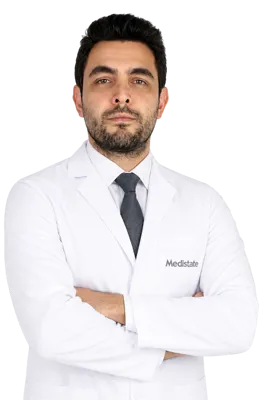

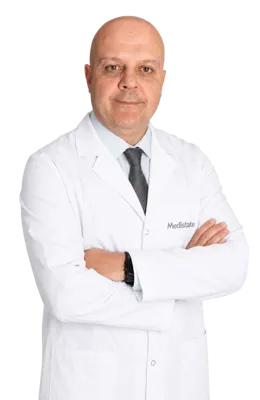
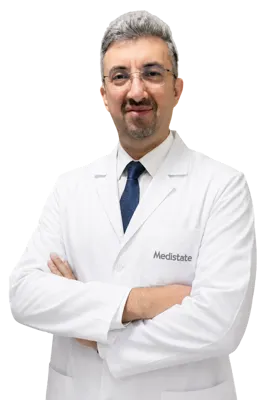
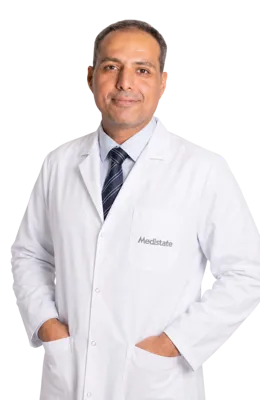

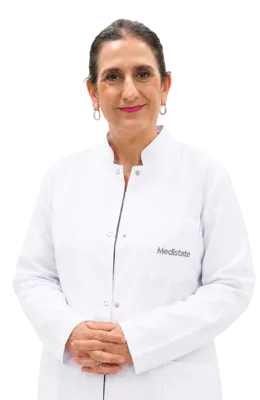
 Child Health and Diseases, Paediatric Gastroenterology
Assoc. Prof. Esra Polat, M.D
Book an Appointment Detail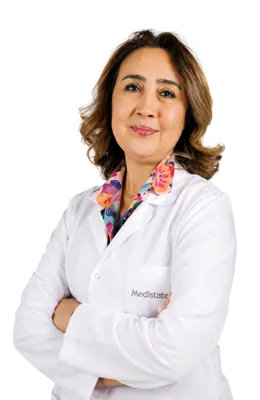
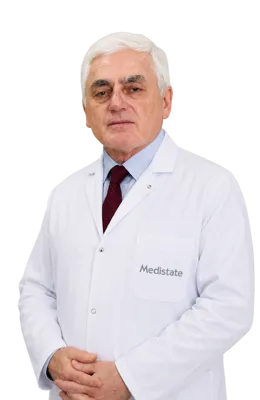
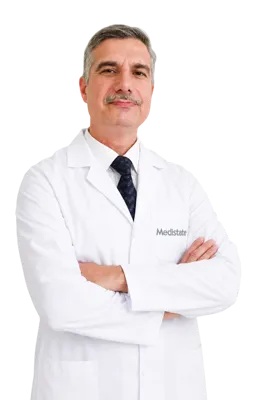
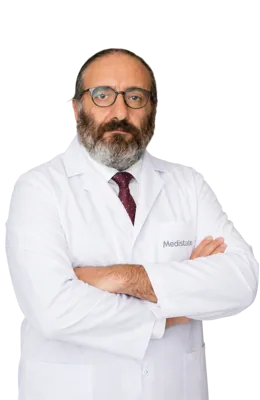
 Biochemistry and Clinical Biochemistry
Chief Medical Officer. Prof. Nilgün Tekkeşin, M.D.
Book an Appointment Detail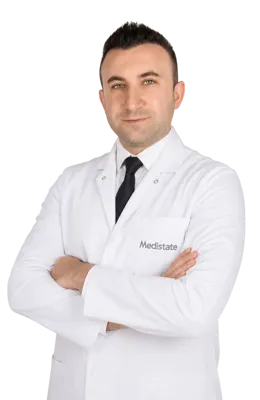

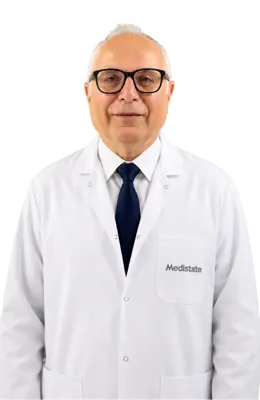

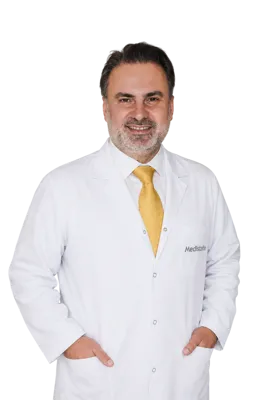
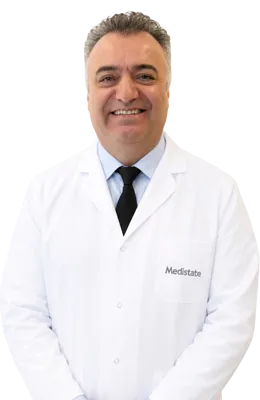

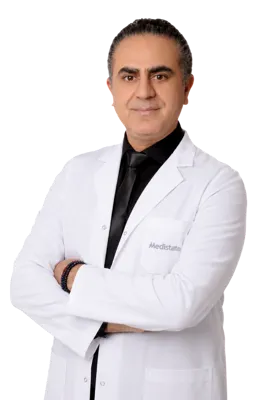


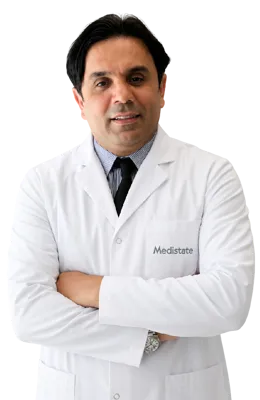
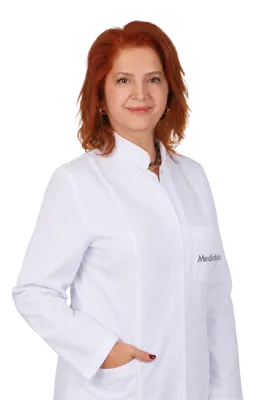
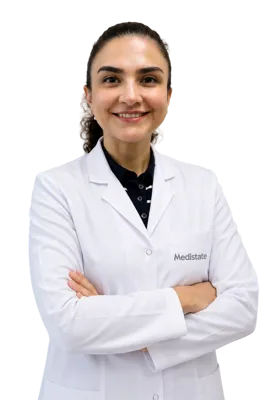
 Plastic, Reconstructive, and Aesthetic Surgery
Specialist. İlker Bilgiç, M.D.
Book an Appointment Detail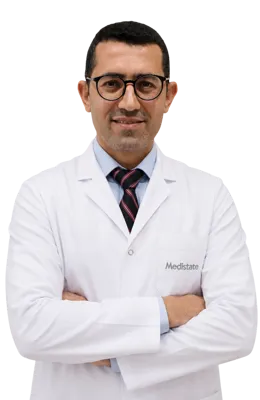


Our Technologies
Our Medical Units
Rooms and Amenities
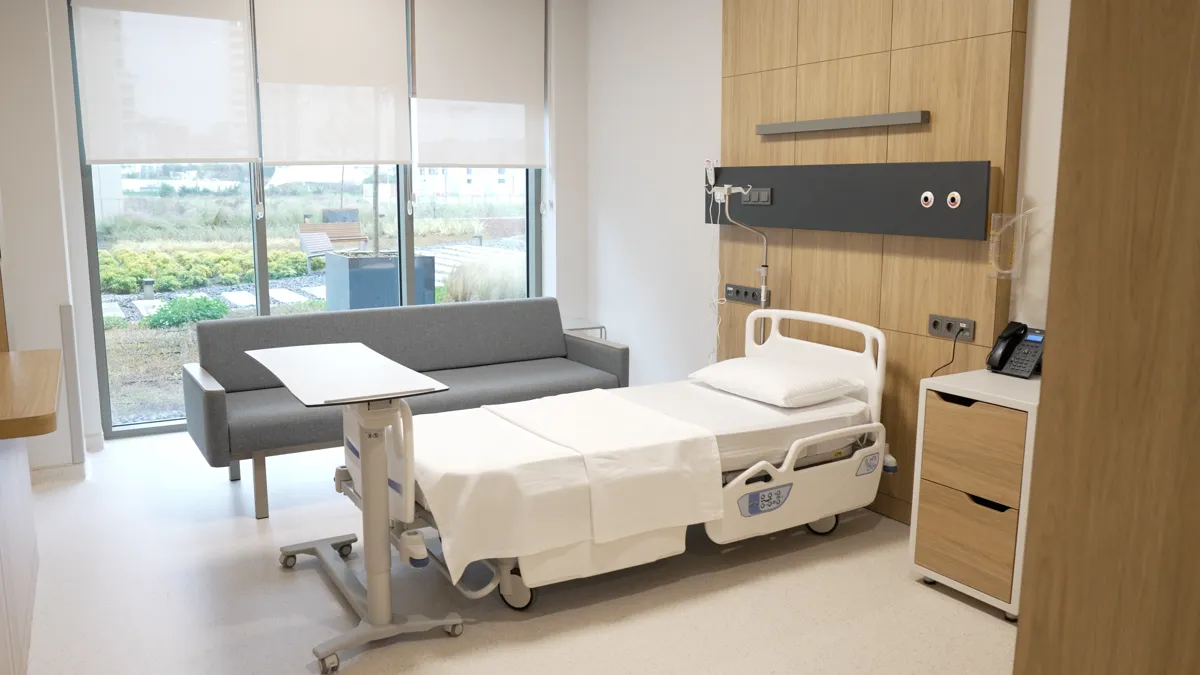
At Medistate Cekmekoy Private Hospital, this is a more spacious and comfortable accommodation option than a standard room, designed to enhance the comfort of both the patient and their companion.
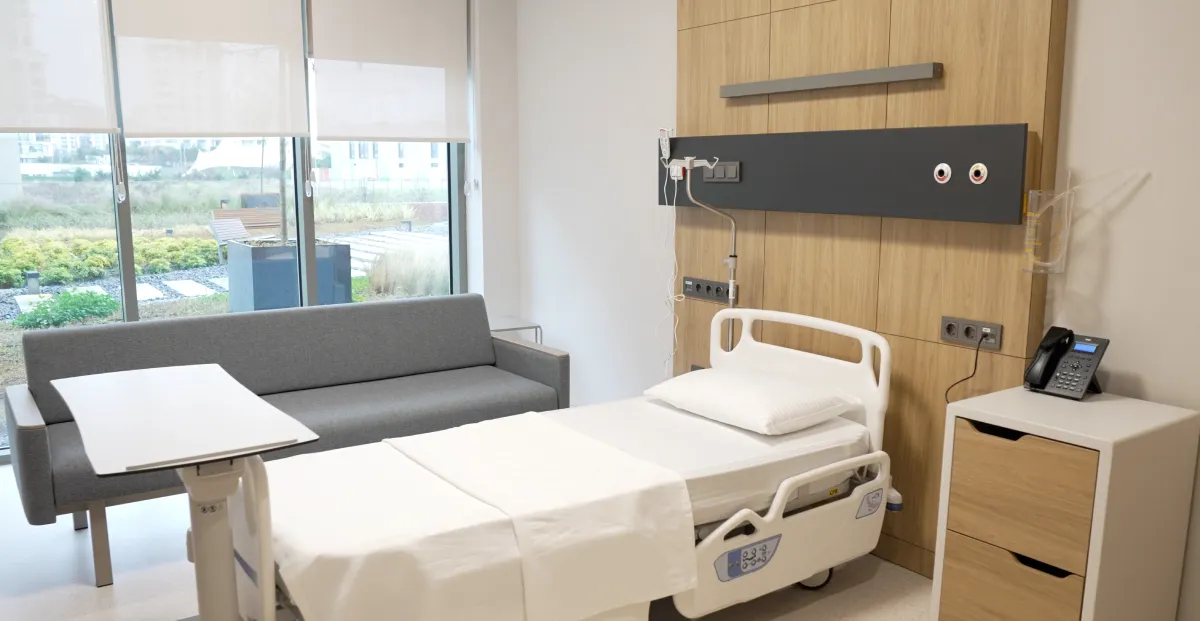
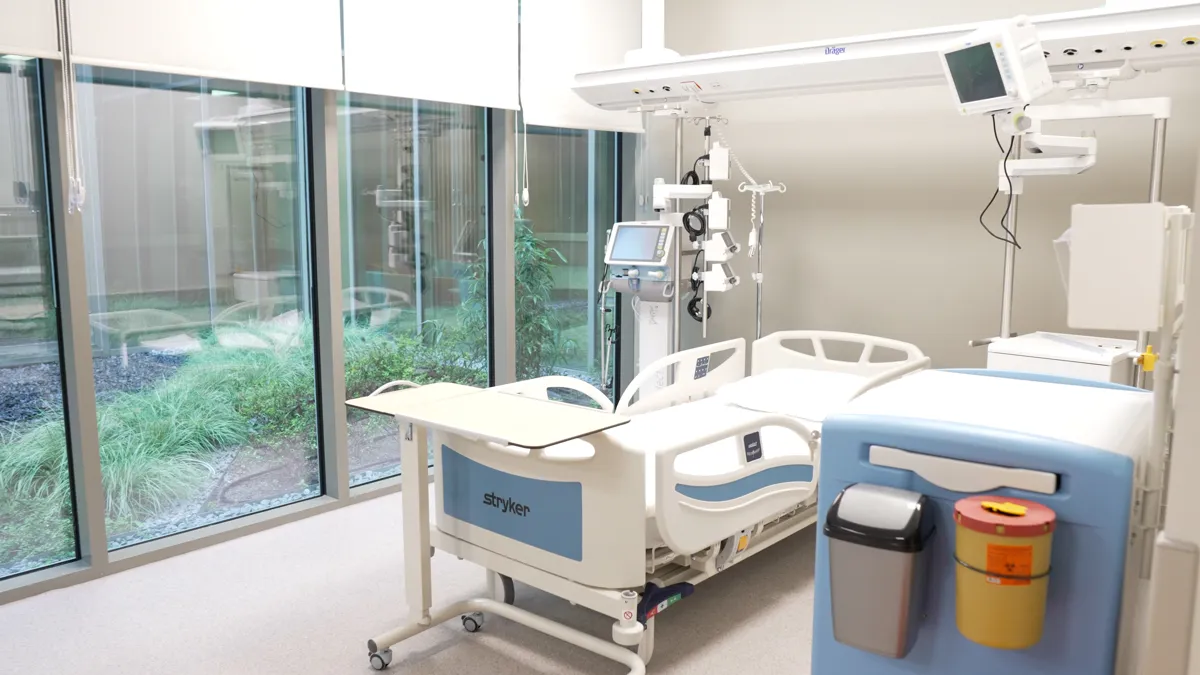
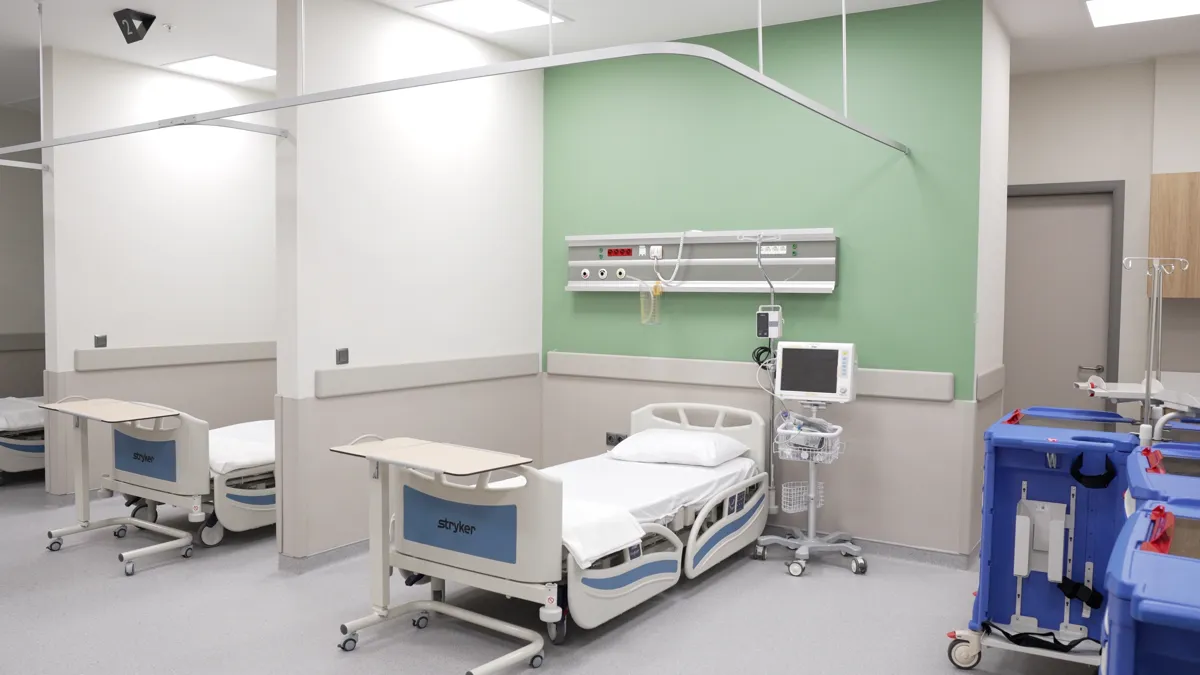
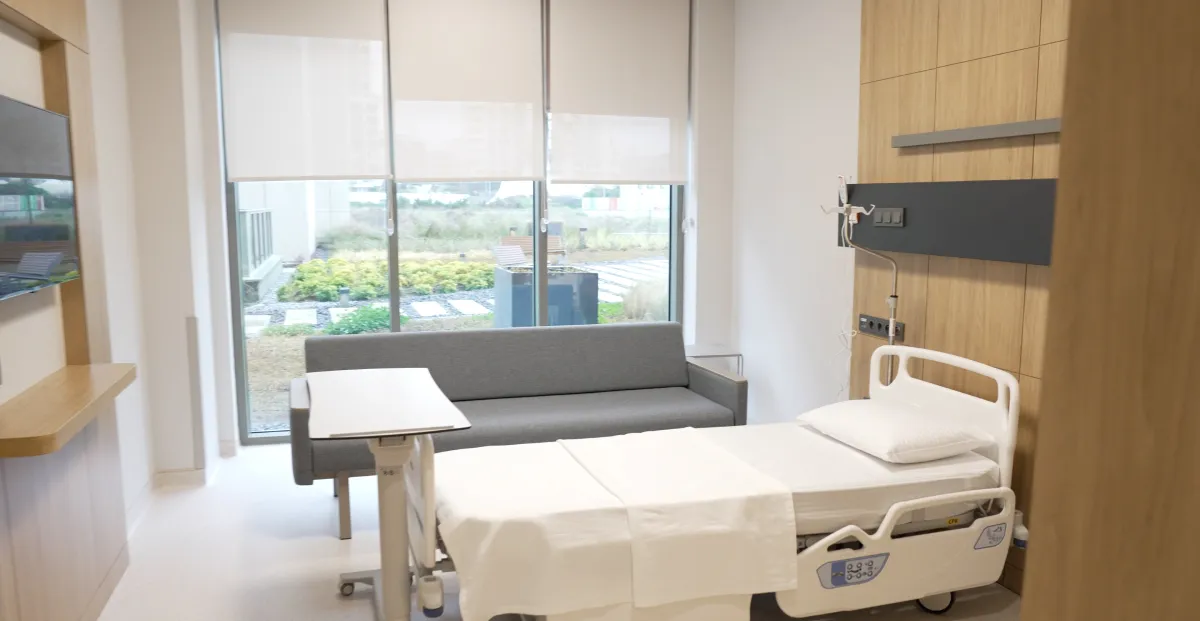
Medistate Cekmekoy Private Hospital: Our standard patient rooms are designed with our patients’ comfort and safety as our top priority. Our goal is for our patients to undergo their treatment in a comfortable and peaceful environment.
 Patient Services
1. Admission Procedures
When you arrive at our hospital, you will be greeted by Patient Advisors and directed to the Admission Coordination Office. After the Admission Coordinator verifies your identification and appointment details, your admission process will begin, and you will be asked to sign the Admission Consent Form and Declaration of Commitment. You will be provided with information regarding the cost of your treatment, and a deposit will be requested based on the determined amount. Once your admission procedures are complete, you will be escorted by a Patient Advisor to the relevant department, where you will receive the necessary information about your room, and arrangements will be made to ensure your comfort.
2. Discharge Services
After your doctor notifies the nurse of your discharge, your file will first undergo final checks by Nursing Services and the Ward Secretary, and the discharge information will be forwarded to the Discharge Department. The Discharge Department will quickly process cash payments and insurance claims to prepare your bill. Once your discharge process begins, you may need to wait a short while for the bill to be generated. After your procedures are completed, you will be directed to the Discharge Department accompanied by the Ward Secretary or your nurse, along with the Discharge Authorization Form. Once your payments have been processed and your invoice has been issued, the Discharge Approval Form handed to you will be collected by the Ward Nurse in Charge or your Secretary, and your discharge process will be finalized. After the discharge process is complete, your physician-approved discharge summary will be provided to you by your Ward Secretary.
3. Billing and Admission
You can pay the treatment fee determined prior to admission to the Admission Coordination Office during the admission process. You can obtain all information regarding payments throughout your treatment period from the Admission Coordination Office. For long-term hospitalizations, interim payments will be requested to cover your treatment expenses. Payments can be made in Turkish Lira, by credit card, in U.S. Dollars, or in Euros. For patients with private insurance, procedures are carried out based on prior authorization, and a numerical confirmation is obtained at discharge to provide you with the necessary information. This process typically takes 30 to 45 minutes.
 Patient and Companion Support
For patients undergoing treatment at a healthcare facility or at home whose relatives are unable to accompany them for any reason, companionship services are provided on an hourly or daily basis by healthcare professionals or patient care staff holding a Patient Care Certificate issued by the Ministry of National Education. In companionship services provided by healthcare professionals, simple medical procedures such as monitoring blood sugar and blood pressure, as well as dressing changes if necessary, are performed. Services provided by patient care staff, on the other hand, include non-medical care services such as positioning the patient, feeding, changing diapers, or providing toilet assistance.
 Technical and Infrastructure Services
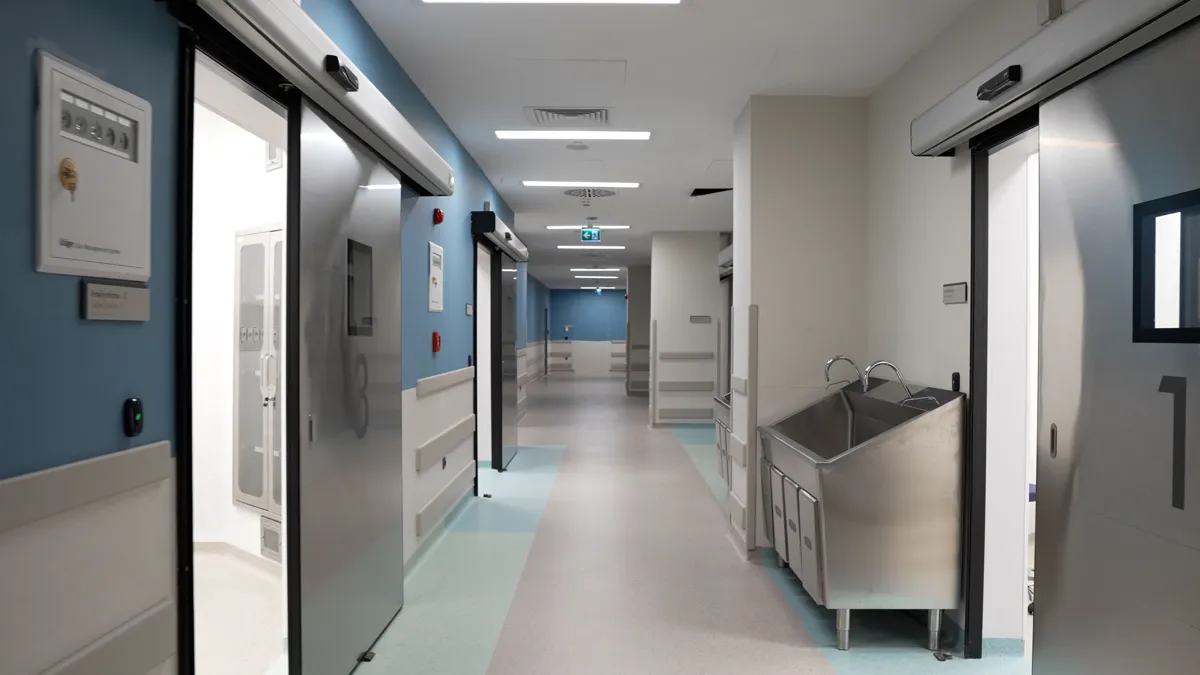
Our hospital provides 24/7 technical service and equipment support to ensure uninterrupted care for our patients. Diagnostic processes are conducted with high accuracy and speed using advanced imaging and diagnostic technologies. Thanks to digital archiving and workflow systems, patient data is securely stored and effectively managed. Patient and staff safety is ensured at the highest level through smart building management, central control systems, and sterilization infrastructure. All infrastructure is designed in accordance with international quality standards and provides secure data access and communication capabilities via digital sharing systems.
 General Services
The services offered at our hospital are organized under the following categories:
-
Primary Health Care: We provide comprehensive primary health care services to our patients.
-
Clinical and Specialty Services: Our team of specialist physicians provides advanced treatment and care services across various medical specialties.
-
Diagnostic and Imaging Services: Our state-of-the-art imaging and laboratory facilities enable rapid and accurate diagnosis.
-
Patient Support and Services: We provide counseling, referral, and accompaniment services to meet patients’ needs throughout their treatment process.
-
International Patient Services: We provide coordinated healthcare services to our international patients, supported by language and cultural assistance.
-
Visitor and Companion Services: All necessary arrangements are made to ensure the comfort and safety of patients’ relatives and companions.
 Comfort & Daily Needs
As part of the services offered at our hospital, patient comfort and satisfaction are our top priorities:
-
Room and Accommodation Comfort: We provide our patients with modern and comfortable rooms, ensuring a safe and comfortable stay.
-
Food and Beverage Services: Healthy and balanced meal options are provided in accordance with patients’ needs and dietary requirements.
-
Visitor and Companion Services: Necessary arrangements are made to ensure the comfort and safety of patients’ relatives, and companion services are provided in a coordinated manner.
-
Daily Needs and Additional Services: Patients’ daily needs and additional requests are met quickly and efficiently.
-
International Patient Support: We provide our international patients with coordinated healthcare services that include language and cultural support.
 Visitors & External Links
The support and services offered at our hospital are organized under the following categories:
-
Patient Relations: We ensure that all of our patients’ requests and needs are addressed promptly and accurately.
-
Nursing and Care: A professional nursing team provides comprehensive care services, prioritizing patient comfort and safety.
-
Food and Cafeteria Services: Patients’ nutritional needs are met with high-quality, balanced meal options.
-
Taxis and Transportation: We coordinate and facilitate transportation for our patients.
-
Companion Services: We provide comfortable and safe accommodations for patients’ relatives.
-
Interpreter / Foreign Patient Support: We provide language and cultural support services to our foreign patients to facilitate their treatment processes.
-
Parking and Valet Service: We provide secure parking and valet service for patients and visitors coming to our hospital.
-
International Patient & Other Services: We provide coordinated and comprehensive support services for international patients and patients with special needs.