
Kavacık Hospital

About the Hospital
Medistate Your Health Matters.
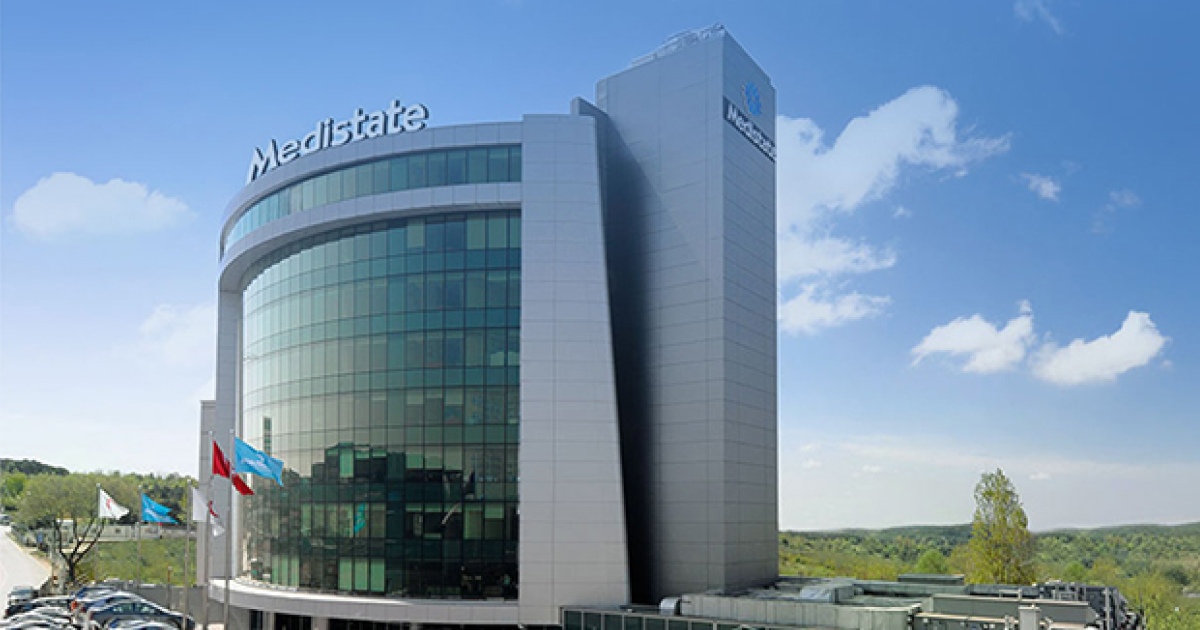
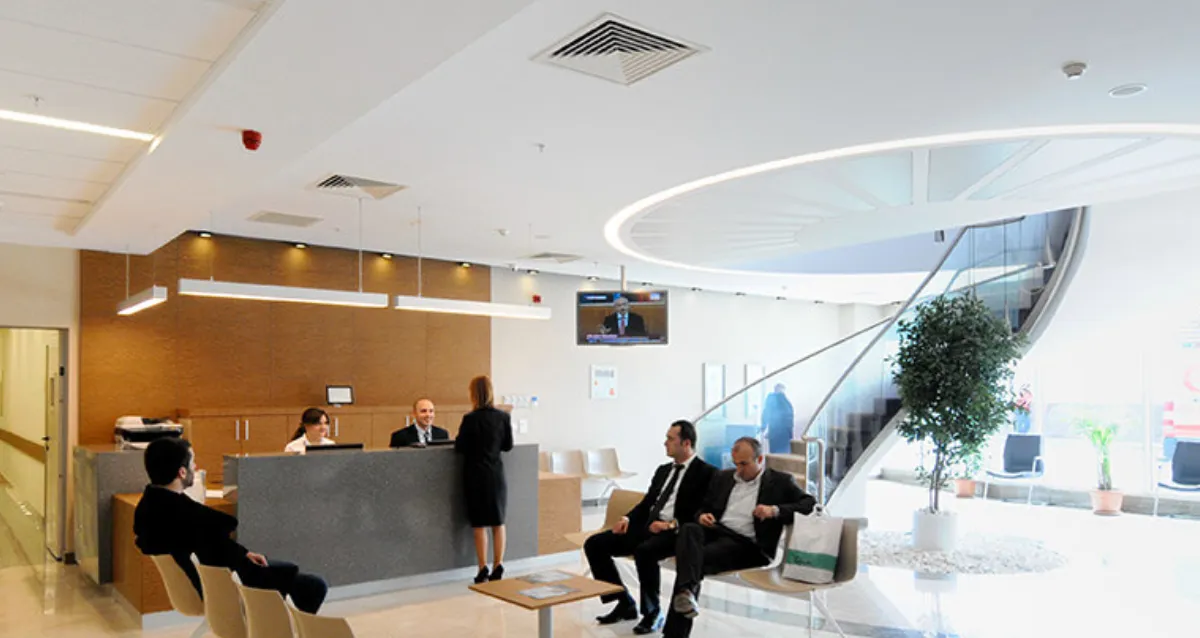
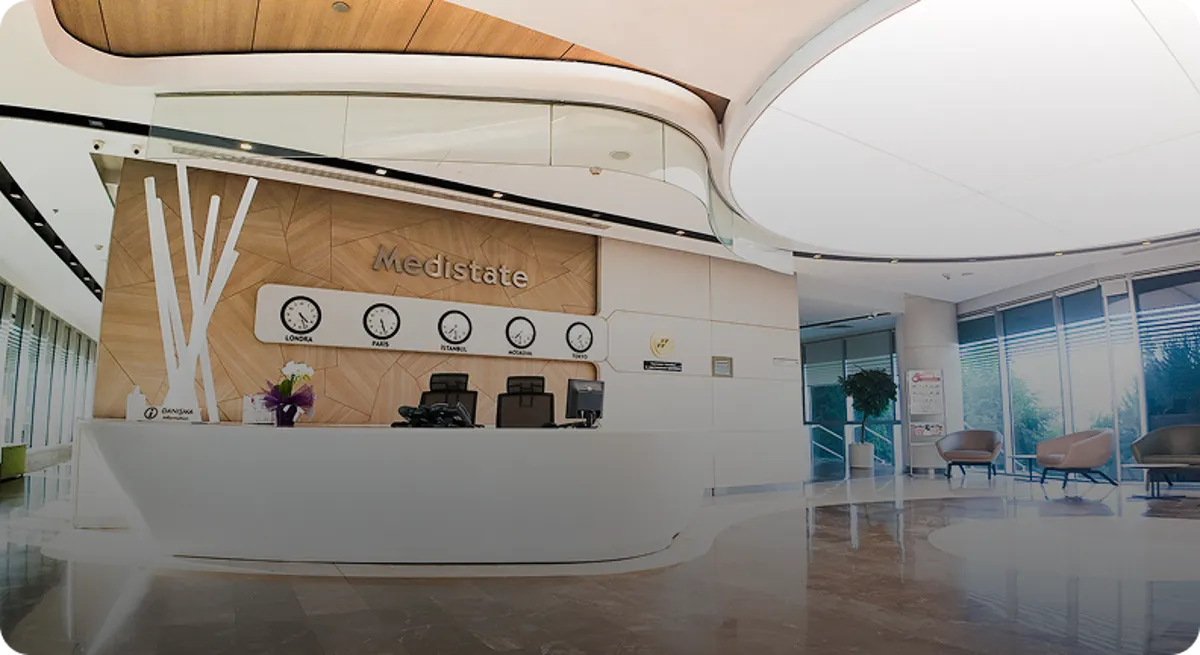
Medistate Kavacık Private Hospital is committed to contributing to the advancement of medicine by providing up-to-date, preventive, and curative healthcare services through its team of specialized physicians and healthcare professionals, all while adhering to ethical principles and upholding a holistic approach to quality and service. Continuously raising the bar in its sector through its professional approach to healthcare and advanced technology, Medistate Kavacık Hospital brings the two continents together through the quality healthcare services it offers to residents of both the European and Anatolian sides. As the private hospital with the largest emergency department, Medistate Kavacık Hospital possesses a scientific and state-of-the-art infrastructure, a team of specialist physicians, and an ethical scientific board that supports accurate diagnosis and service philosophy. To ensure the most appropriate decisions are made for patient health, the hospital operates an online system that shares patient reports and conditions with specialist physicians abroad. Whatever it takes for a healthy and happy life, you’ll find it at Medistate Kavacık Hospital.

24/7 Service
With a team of specialist physicians and experienced healthcare staff, we provide uninterrupted healthcare services 24/7.

Smart Building Technology
By combining modern healthcare services with smart building technology, patients are provided with a safe and comfortable environment.

Technological Capabilities
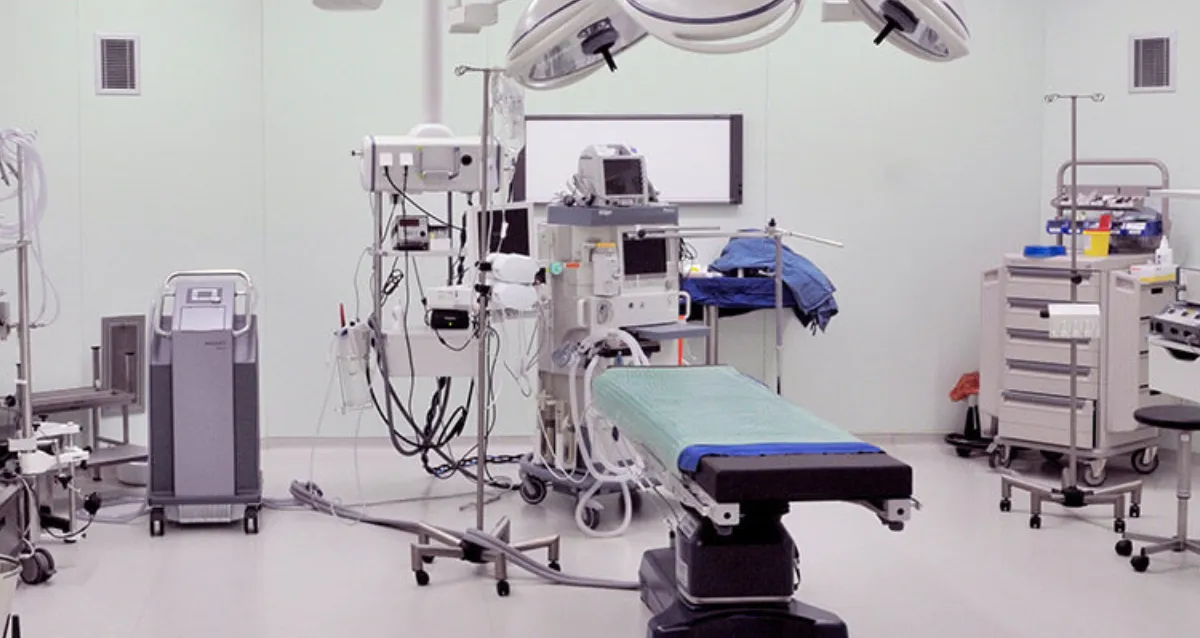
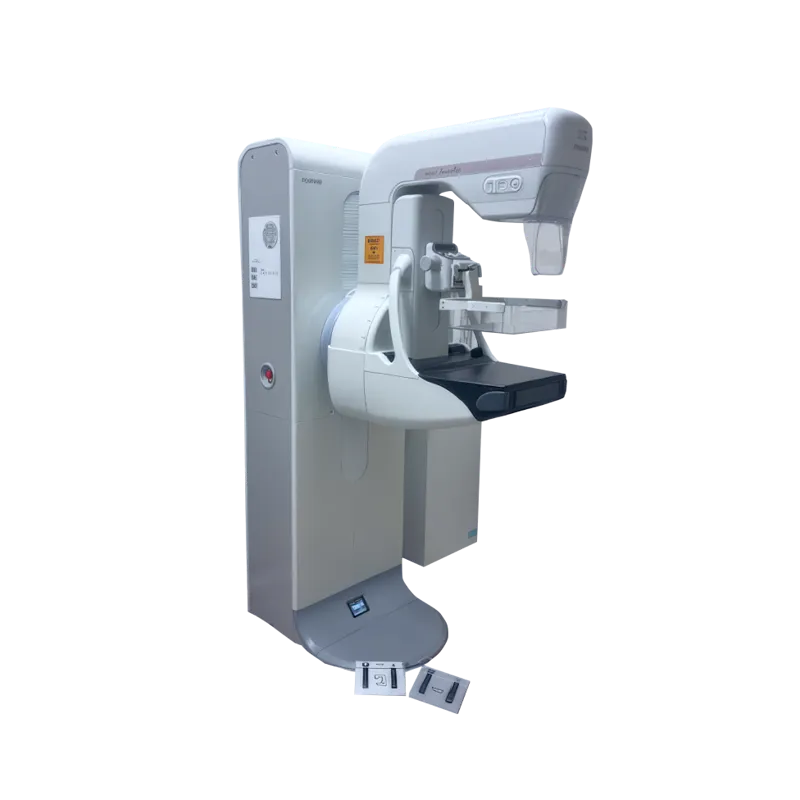
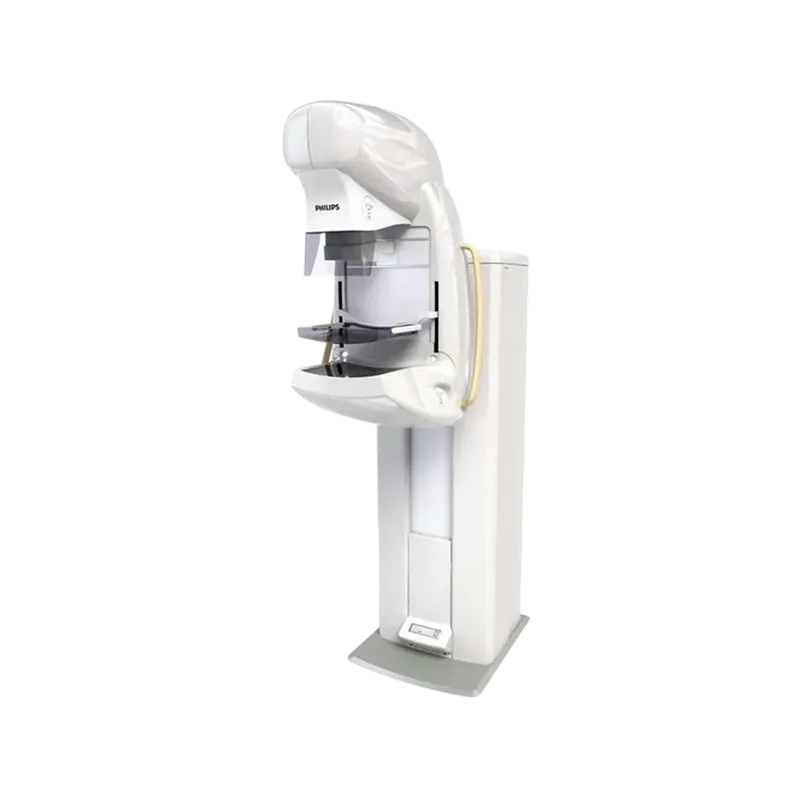
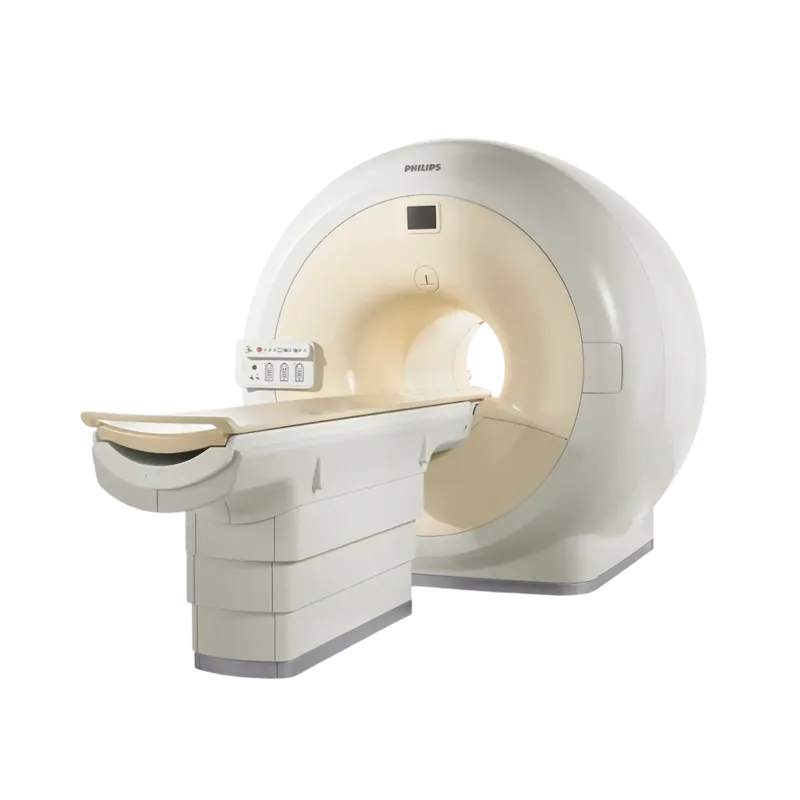
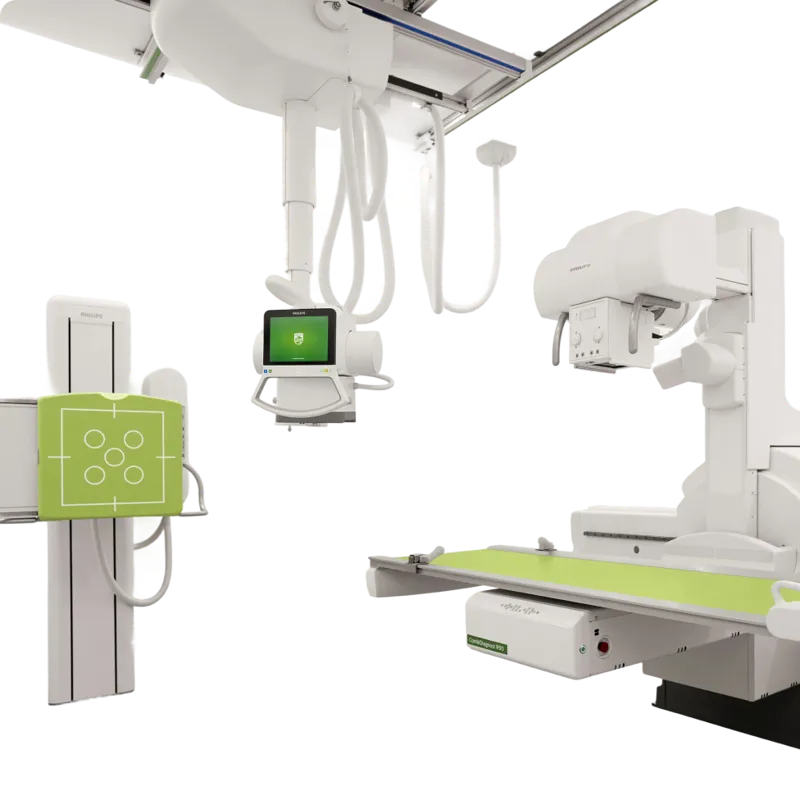
At this hospital, which is known for its modular operating rooms, the entire imaging infrastructure ensures a high-quality, fast, and secure diagnostic process.

In Vitro Fertilization (IVF)
It is one of the most effective assisted reproductive techniques used for couples who are unable to conceive naturally.
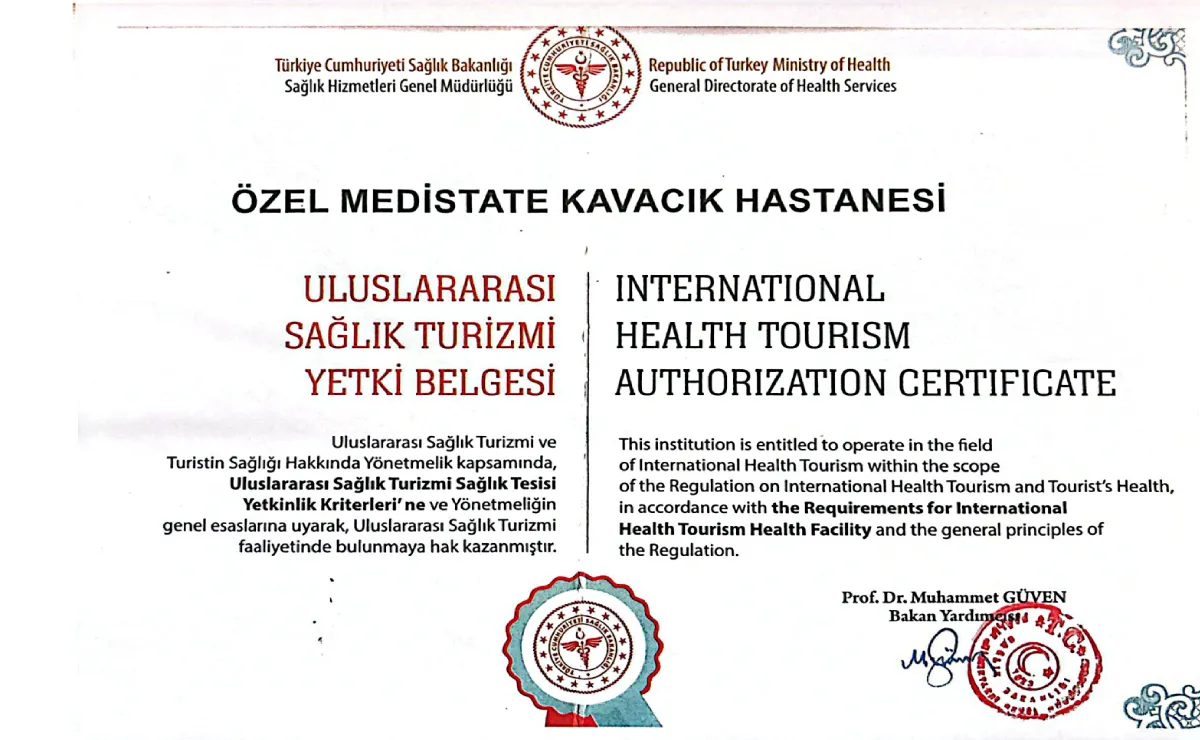
INTERNATIONAL HEALTH TOURISM AUTHORIZATION CERTIFICATE
This institution is entitled to operate in the field of International Health Tourism and Tourist's Health, in accordance with the Requirements for International Health Tourism Health Fazcility and the general principles of the Regulation.
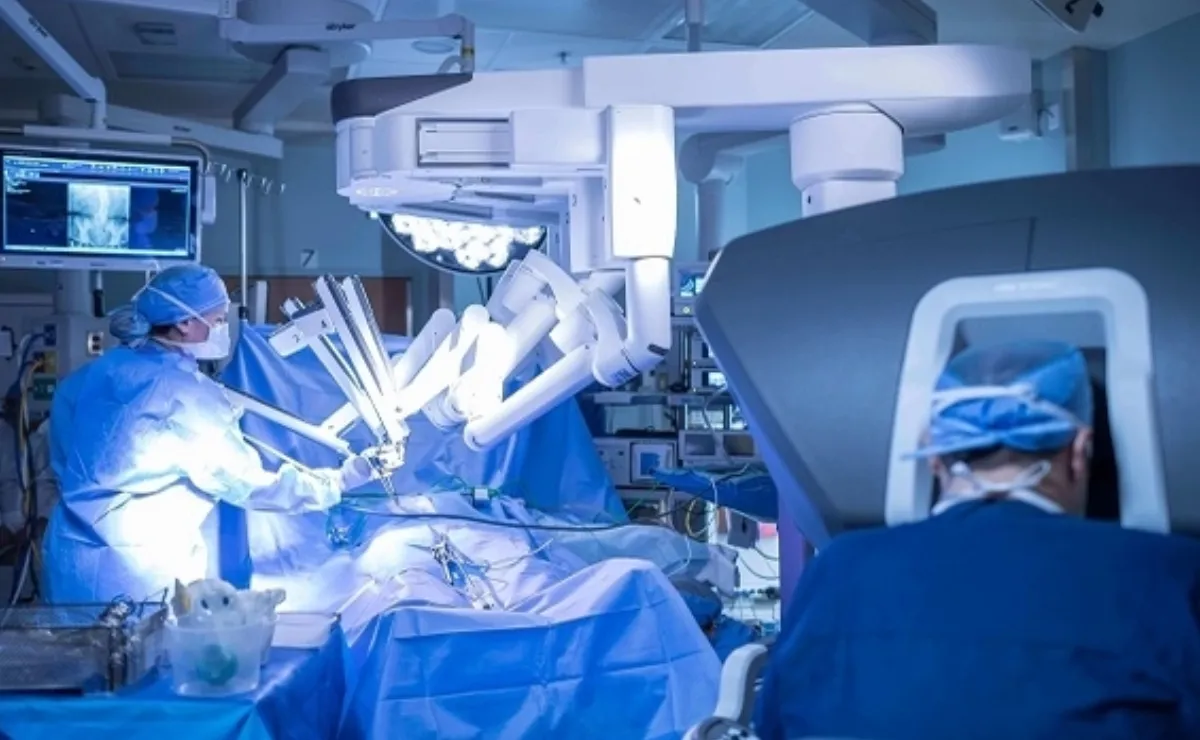
Robotic Devices
Our hospital offers the highest level of care through advanced medical services. With the advancement of technology, smart systems—which are now being used in many fields—are capable of mimicking human movements and performing complex tasks with high precision.
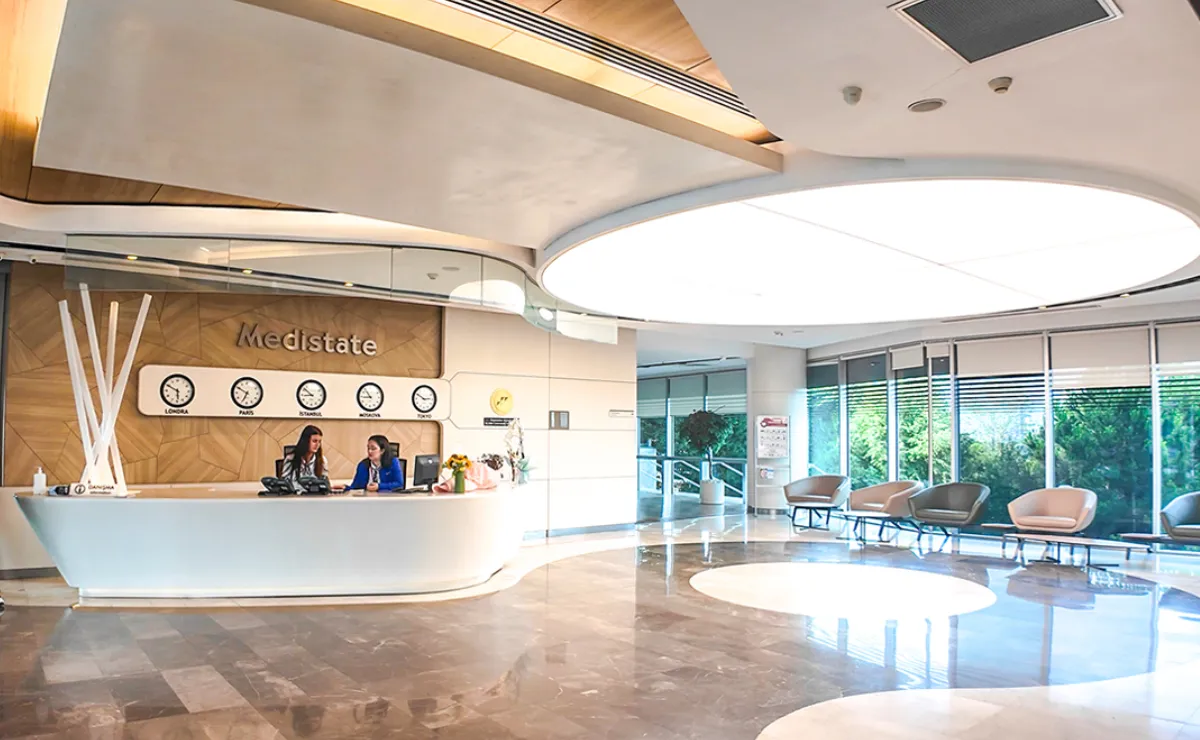
17,000 m² of indoor space
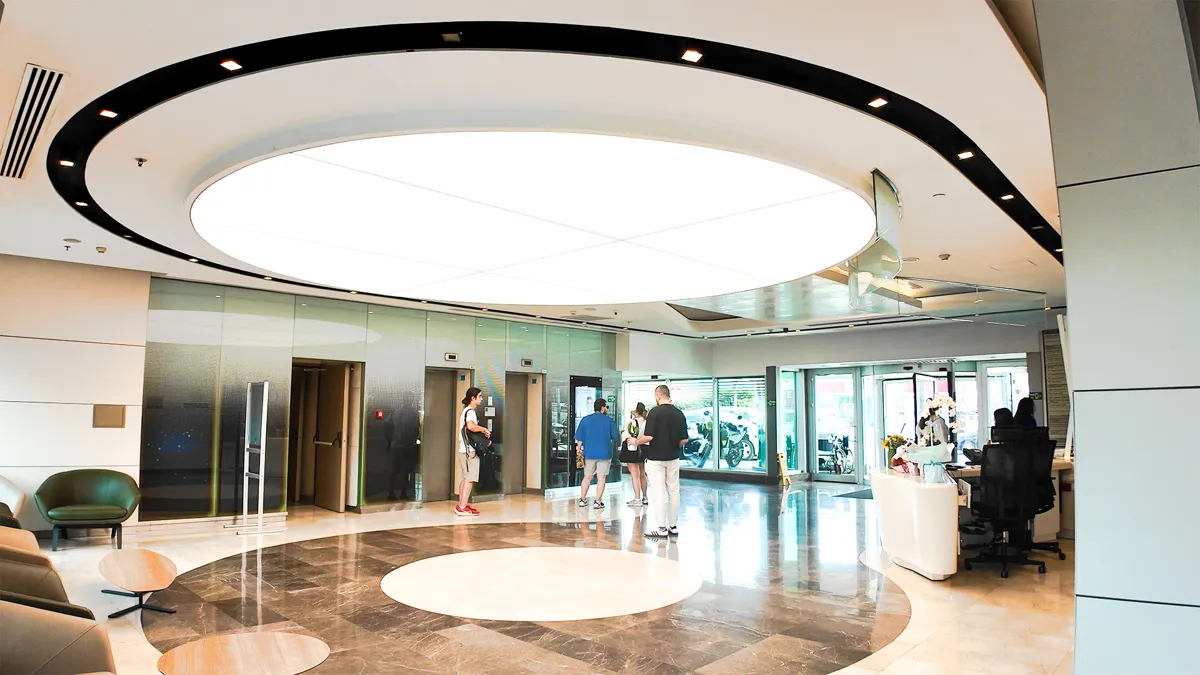
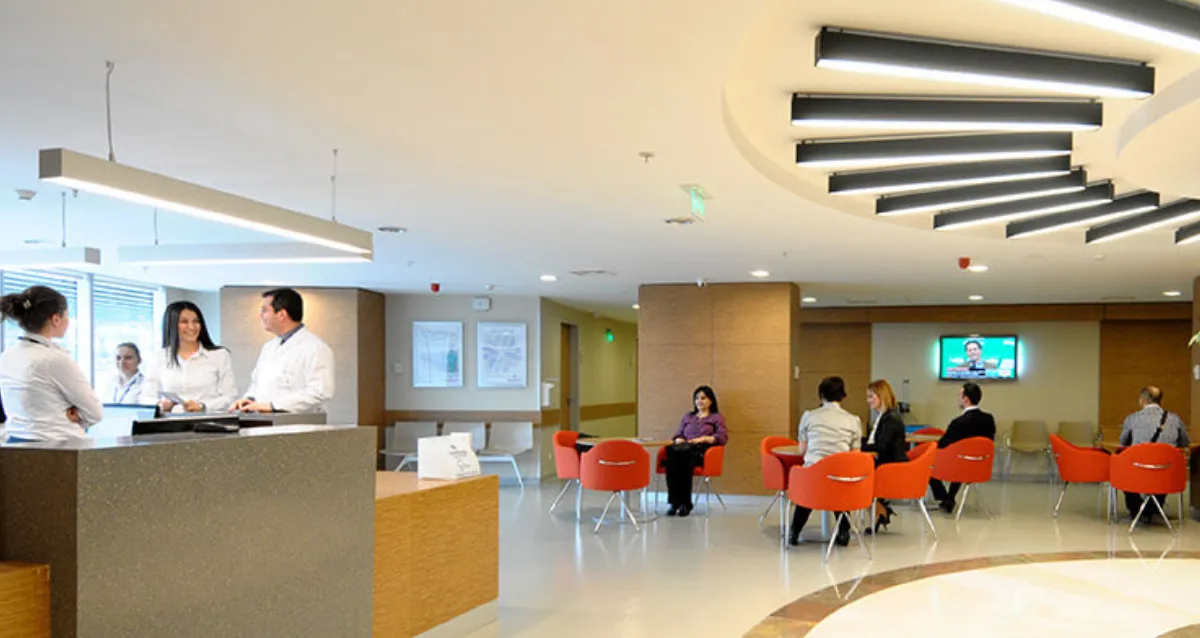
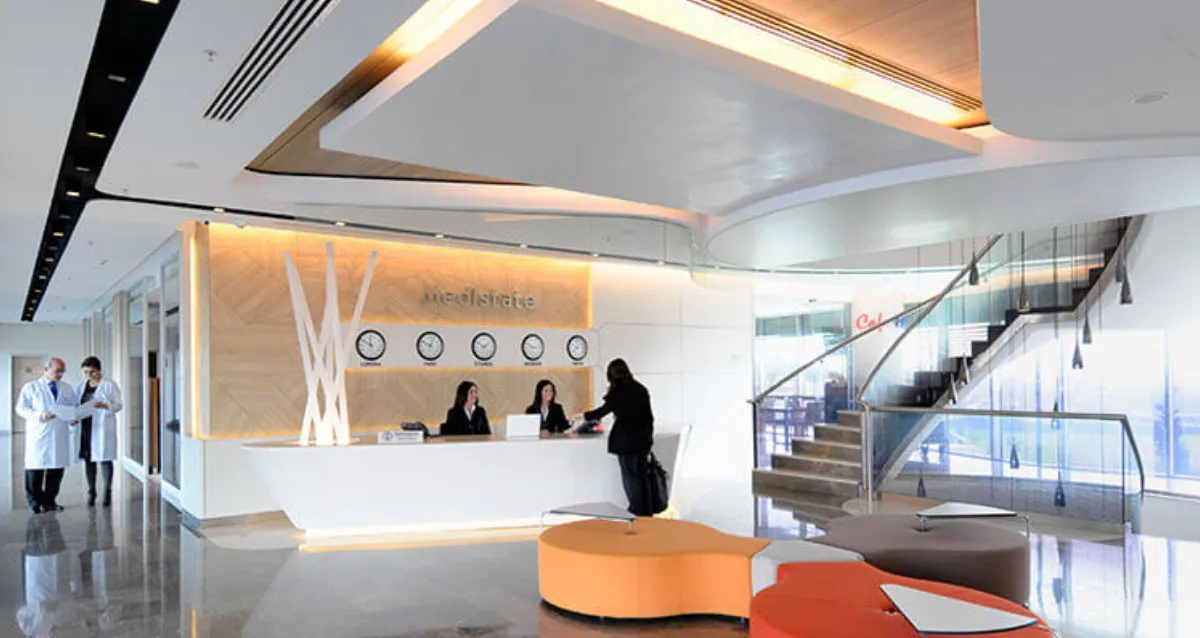
Spanning 17,000 square meters of indoor space, Medistate Kavacık Hospital serves the Beykoz Kavacık community with a 120-bed capacity, a professional medical staff, and intensive care units equipped with state-of-the-art technology. Our hospital features 14 neonatal, 12 adult, 4 coronary, and 5 cardiovascular surgery intensive care units, offering advanced medical care and treatment options.
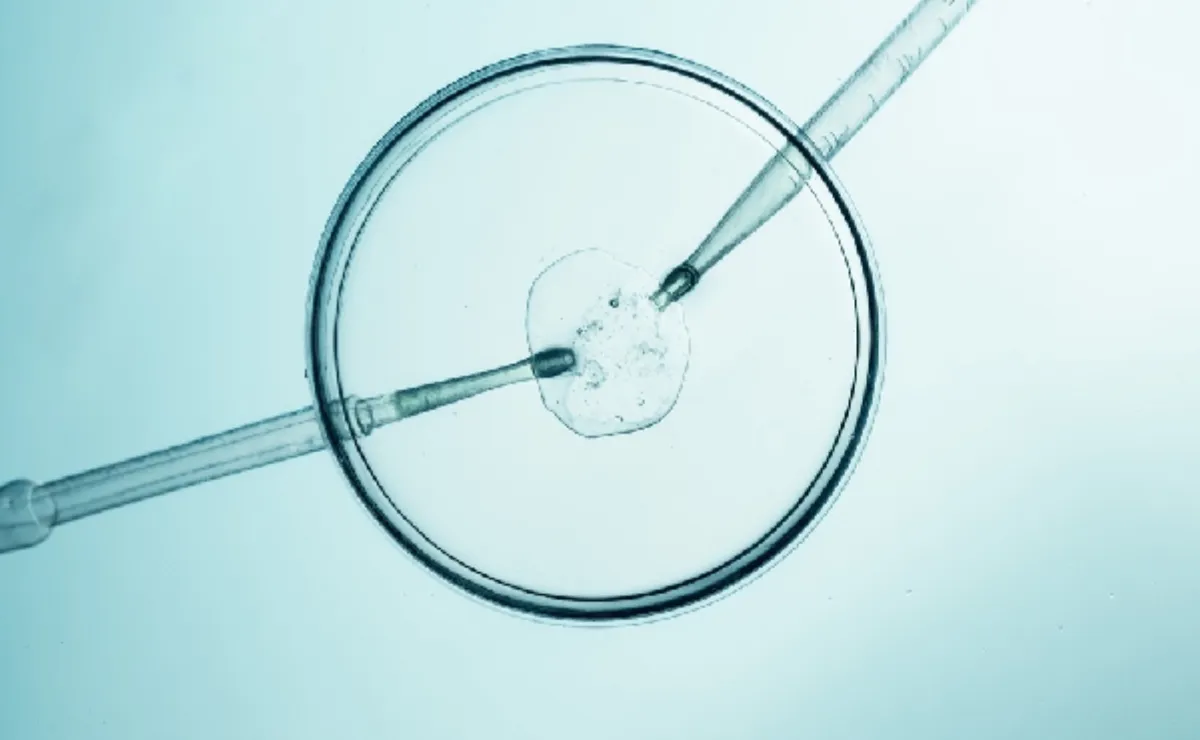
In Vitro Fertilization (IVF)
In vitro fertilization (IVF) is an assisted reproductive technology used when pregnancy cannot be achieved naturally, involving the fertilization of an egg and sperm in a laboratory setting. Thanks to advancing technology, success rates are increasing day by day, and many families are realizing their dream of having a baby.
Gallery


Video Promocional
Featured Services
Pediatrics is a medical specialty that monitors the physical, mental, and social development of children from the neonatal period through adolescence, and diagnoses, treats, and follows up on childhood diseases.
Core services include routine child check-ups, vaccinations, growth and development assessments, and treatment of infectious diseases.
Pediatrics also comprehensively manages conditions such as asthma, allergies, nutritional issues, and chronic childhood illnesses. The primary goal is to prioritize preventive healthcare and contribute to the development of healthy generations.
Homeopathy is a complementary practice based on the principle of “like cures like,” using substances prepared in very low doses. Developed in the 18th century, this approach evaluates a person’s physical and mental symptoms holistically and recommends individualized remedies.
While homeopathy is recognized as a complementary medicine in some countries, its effectiveness remains scientifically debated. Therefore, it is important that homeopathic practices are conducted in accordance with relevant health regulations and under the supervision of a qualified healthcare professional.
Homeopathy is the second treatment method recognized by the WHO.
While homeopathy is classified as a complementary medicine practice in some countries, scientific debates regarding its efficacy continue.
It is covered by public health insurance in many countries.
Infectious Diseases is a medical specialty focused on the diagnosis, treatment, and follow-up of diseases caused by bacteria, viruses, fungi, and parasites.Key areas include respiratory infections, urinary tract infections, hepatitis, HIV infection, febrile illnesses, and hospital-acquired infections.
The diagnostic process involves laboratory tests, microbiological analyses, and imaging studies to identify the causative agent and plan appropriate antimicrobial therapy. The primary goal is to control infections, prevent complications, and protect public health.
The Family Medicine programme, implemented by the Turkish Ministry of Health as of 2011, is delivered by the Family Medicine Department at Medistate Private Hospital to promote healthier generations.
The aim is to:
- Provide preventive healthcare services to families,
- Ensure early diagnosis and treatment,
- Conduct initial assessments on all health-related matters,
- Provide continuous care and treatment for chronic conditions,
- Monitor individuals with such conditions,
- Maintain ongoing contact with those under their care, monitoring them to contribute to improving the quality of life for both individuals and the community.
High-Risk Pregnancy and Perinatology is a medical subspecialty dedicated to the diagnosis, monitoring, and treatment of pregnancies in which medical risk factors affecting the mother and/or the fetus are present.
Chronic maternal conditions such as diabetes, hypertension, and thyroid disorders; as well as multiple pregnancies, risk of preterm birth, fetal growth restriction, or congenital anomalies are evaluated within this scope.
Perinatology specialists closely monitor the pregnancy using advanced ultrasonography, fetal screening tests, and, when necessary, interventional procedures. The primary goal is to protect the health of both mother and baby, detect potential complications at an early stage, and plan a safe delivery process.
Orthopedics and Traumatology is a medical specialty that focuses on the diagnosis, treatment, and follow-up of diseases affecting bones, joints, muscles, ligaments, and tendons, as well as injuries resulting from trauma.
Key areas of interest include fractures and dislocations, sports injuries, joint diseases requiring knee or hip replacement, spinal problems, and congenital musculoskeletal disorders.
Treatment may involve conservative methods (casts, splints, medications, and physical therapy) as well as arthroscopic or open surgical techniques. The primary goal is to reduce pain, restore mobility, and enable patients to safely return to their daily activities.
As the team at the Medistate Private Hospital’s Oral and Dental Health Clinic, we work alongside our team of specialists and experienced professionals to provide our patients with the highest quality of care.Thanks to the technological advancements and equipment of the modern age, we have created the most comfortable treatment conditions in our clinic.
We offer the most comprehensive treatment services across all areas of general dentistry—including cosmetic dentistry, oral and maxillofacial surgery, endodontics, paediatric dentistry, periodontology, orthodontics and prosthetics—with our experienced team. At our clinic, we offer reliable and comfortable treatment solutions tailored to each individual case to maintain your oral health at the highest level.
-
General Dentistry and Restorative Dental Treatments – composite fillings, porcelain inlays and onlays
-
Prosthetic Treatments and Cosmetic Dentistry – porcelain veneers, teeth whitening, zirconia applications, digital dentistry and smile design, laser-processed porcelain prostheses, precision-connected dentures, removable dentures
-
Endodontics – Root canal treatments, root infections and root canal retreatment (retreatment)
-
Paediatric Dentistry – Preventive dentistry, all primary tooth treatments in children under local and general anaesthesia
-
Orthodontics – Paediatric and adult orthodontics, aesthetic and lingual braces, clear aligner treatment
-
Oral and Maxillofacial Surgery – TMJ disorders, dental implant procedures, All-on-X treatments, and intraoral surgical procedures under local and general anaesthesia and sedation
-
Periodontology – Diagnosis and treatment of gum disease, gum aesthetics and pink aesthetics procedures
Partner Organisations:
-
FORTISBANK INSURANCE (CURRENT 10% DISCOUNT)
-
TOBB (CURRENT PATIENT-PAID)
-
NN ZURICH INSURANCE (TDHB)
-
ACN INSURANCE (TDHB)
-
ANKARA INSURANCE (TDHB)
-
QNB INSURANCE (TDHB)
-
GULF INSURANCE (TDHB)
-
HEPİYİ INSURANCE (TDHB)
-
KATILIM INSURANCE (TDHB)
-
MAPFRE INSURANCE (TDHB)
-
RAY INSURANCE (TDHB)
-
SOMPO INSURANCE (TDHB)
-
AMA INSURANCE (TDHB)
-
ALLIANZ INSURANCE (TDHB)
-
GROUPAMA INSURANCE (TDHB)
-
HALK INSURANCE (TDHB)
-
ZURICH INSURANCE (TDHB)
-
TURKEY INSURANCE (TDHB)
-
TURKISH COURT OF CASSATION (TDHB-10%)
-
TURKISH GRAND NATIONAL ASSEMBLY (TDHB-10%)
-
ANADOLU MENSUP (TDHB-5%)
-
MILLI REINSURANCE (TDHB-5%)
-
IS BANK (TDHB-5%)
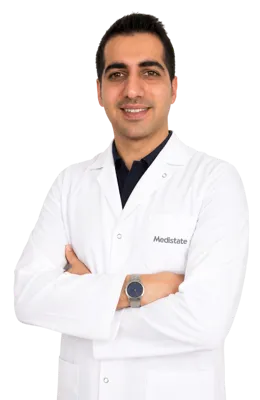
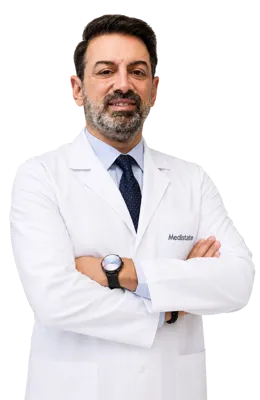
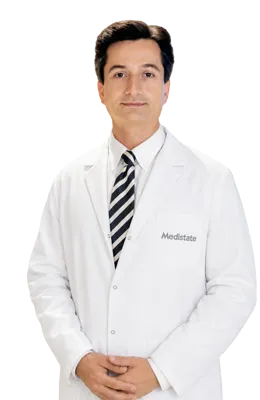
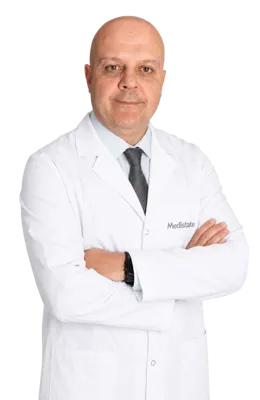
Medistate Kavacık Hospital Doctors


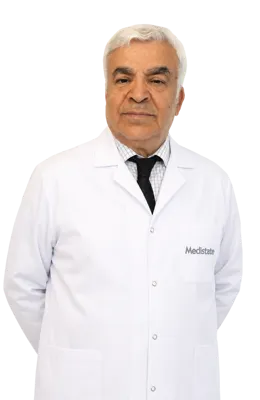 Medistate Kavacik Private Hospital Home Care Unit
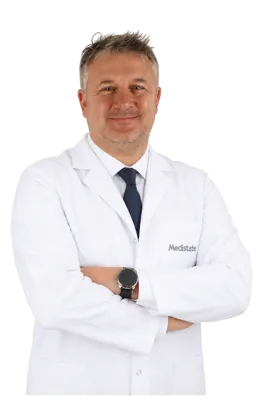
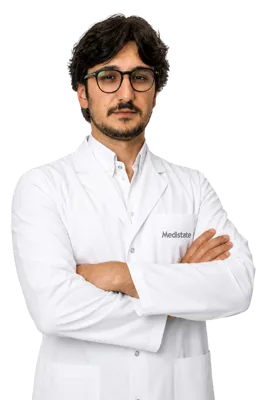
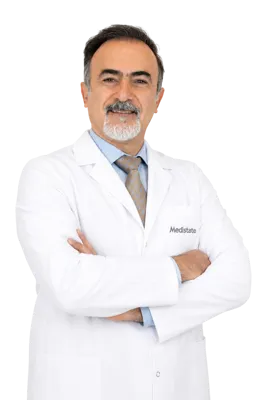
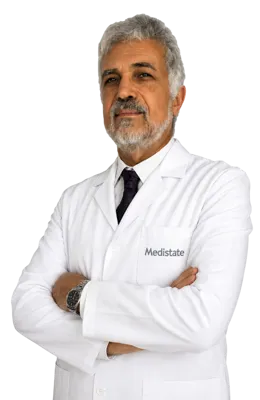
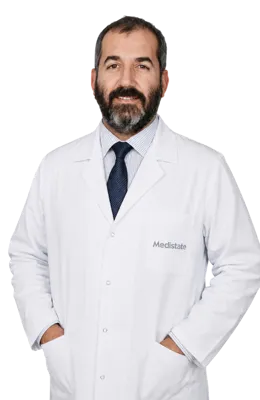
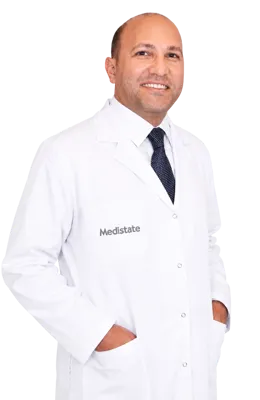
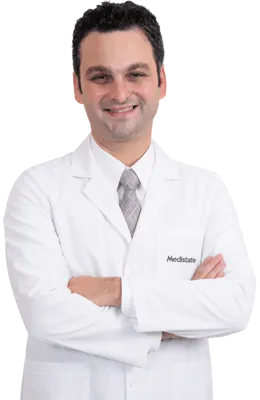
Assoc. Prof Habib Sayar,M.D.
Book an Appointment Detail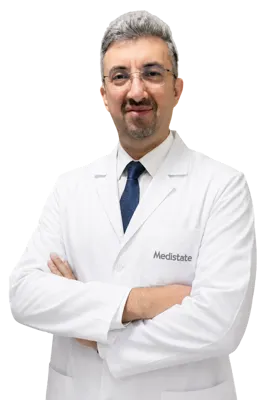
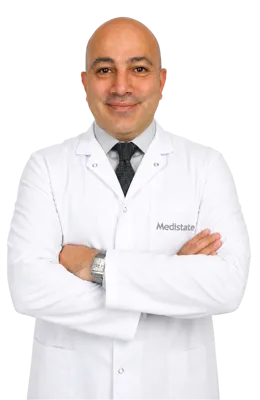

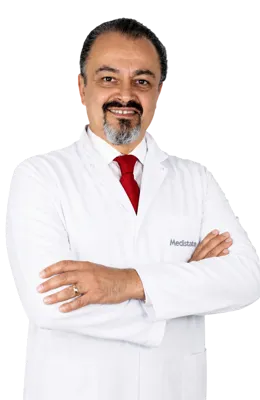
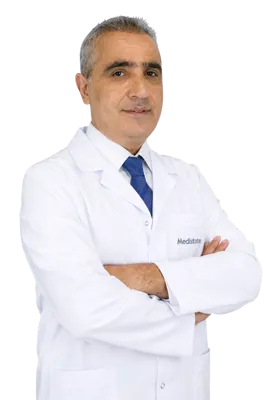
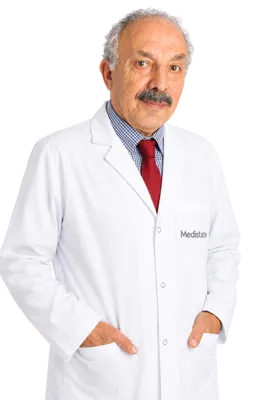

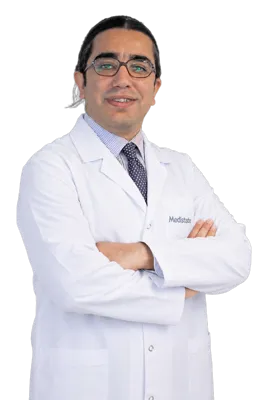
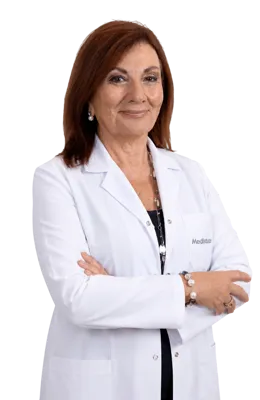 Obstetrics and Reproductive Health/ IVF, Obstetrics and Gynecology
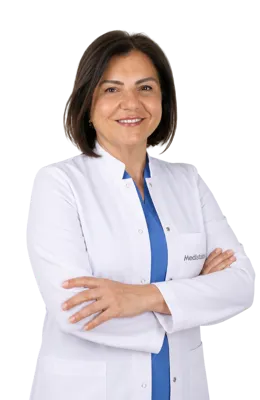
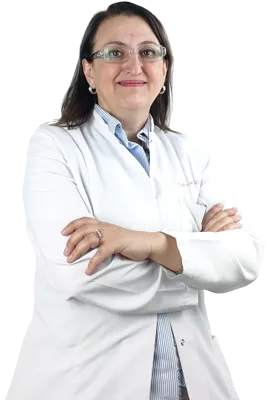
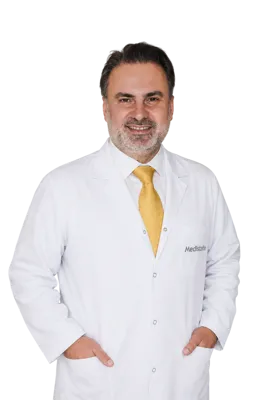
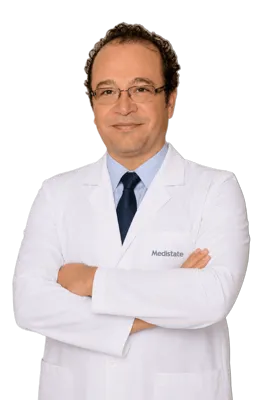
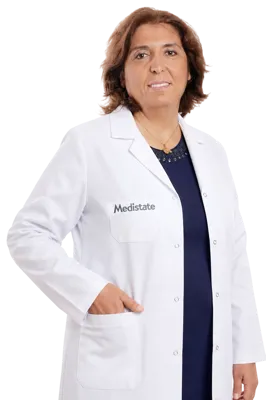
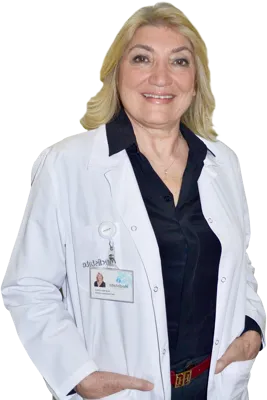
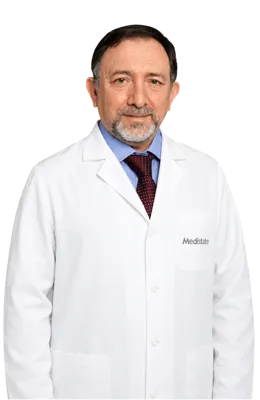
Chief Medical Officer, Prof. Oya Gökmen, M.D.
Book an Appointment Detail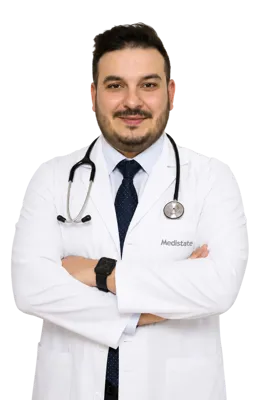
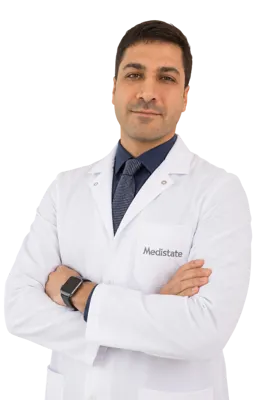
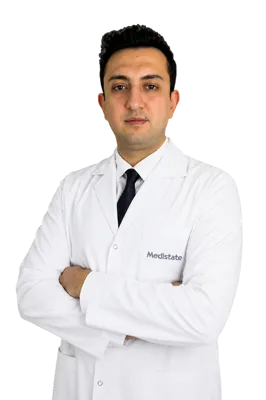
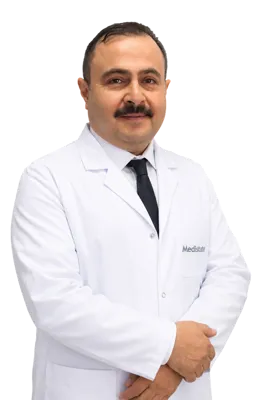
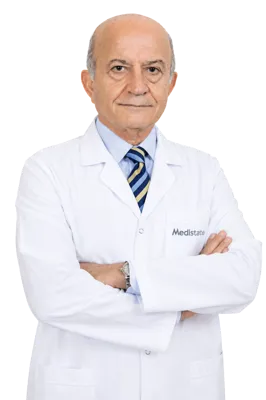

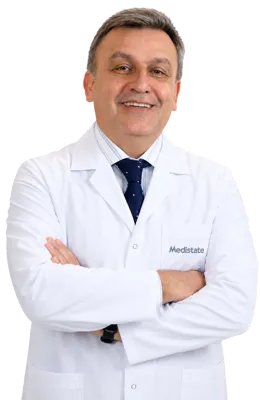 Obstetrics and Gynecology, High-Risk Pregnancy and Perinatology
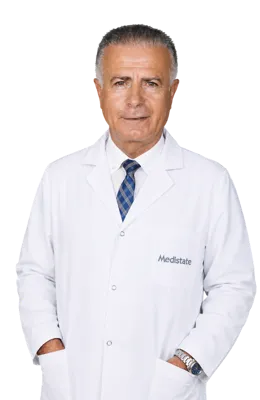
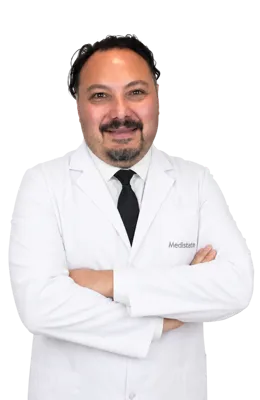
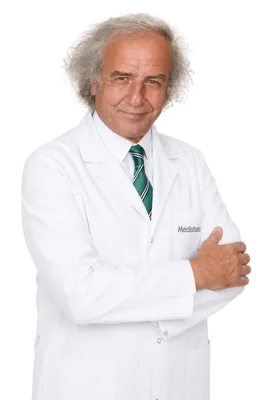
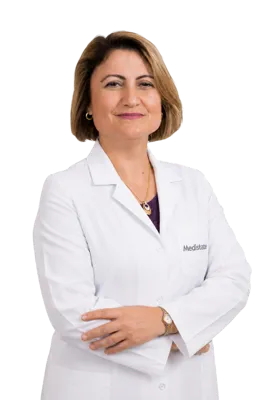
Prof. Ahmet Semih Tuğrul, M.D.
Book an Appointment Detail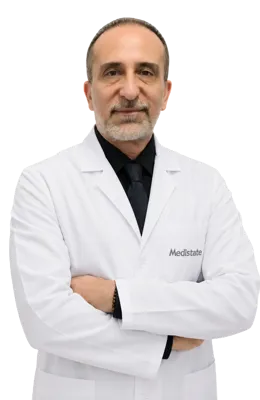

 Paediatric Haematology and Oncology, Child Health and Diseases, Bone Marrow Transplantation Unit
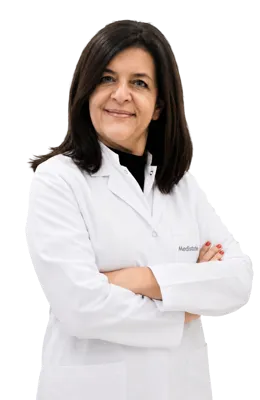
Prof. Betül Tavil, M.D.
Book an Appointment Detail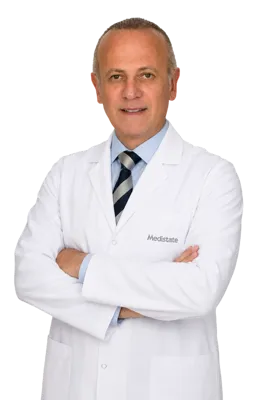

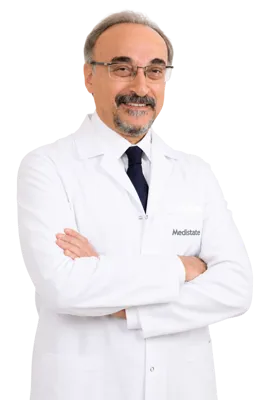
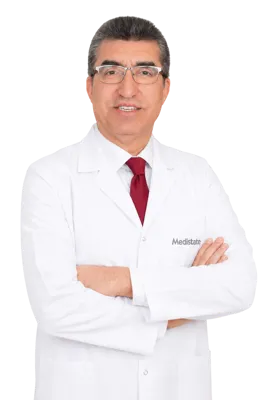
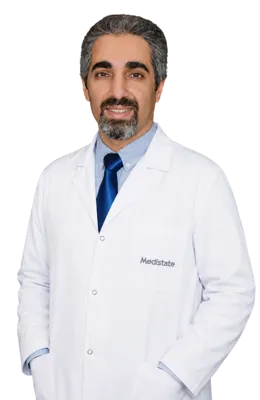



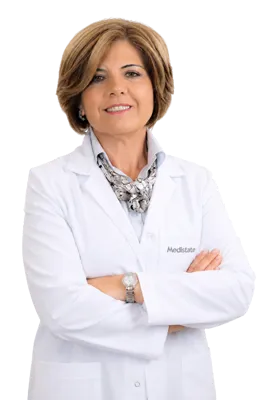 Biochemistry and Clinical Biochemistry, Homeopathy
Specialist. Aygül Uluocak, M.D.
Book an Appointment Detail

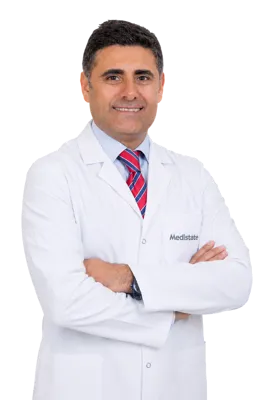
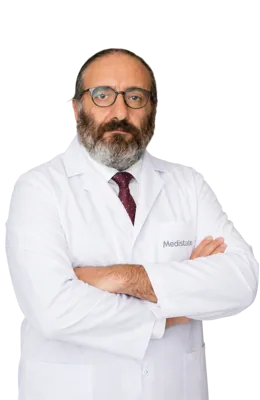 Plastic, Reconstructive, and Aesthetic Surgery
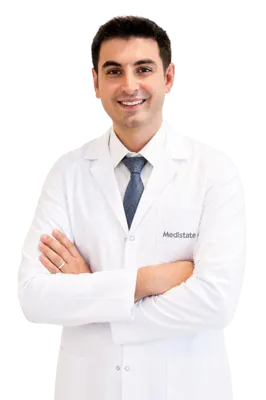
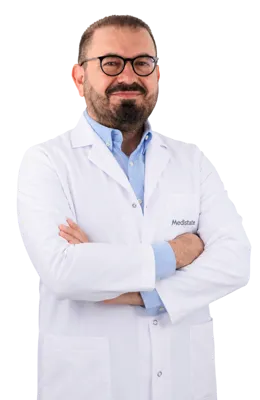
Specialist. İlker Bilgiç, M.D.
Book an Appointment Detail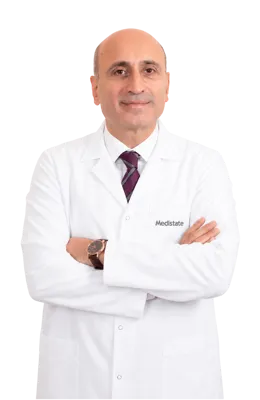 Obstetrics and Reproductive Health/ IVF, Obstetrics and Gynecology
Specialist. Kenan Sofuoğlu, M.D.
Book an Appointment Detail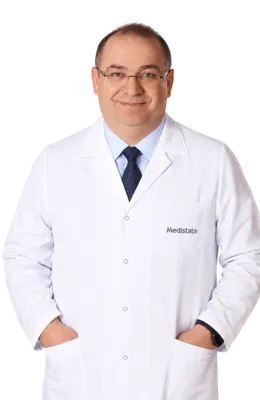
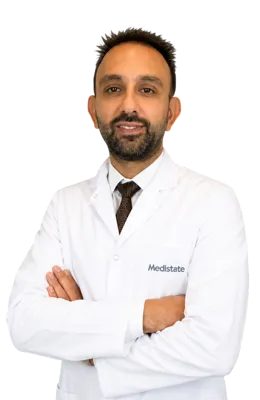

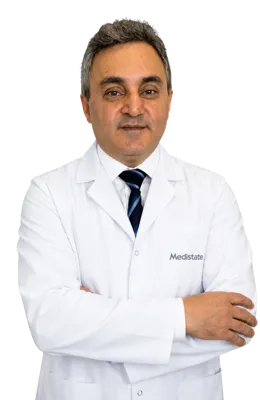
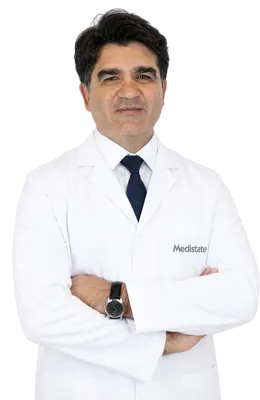
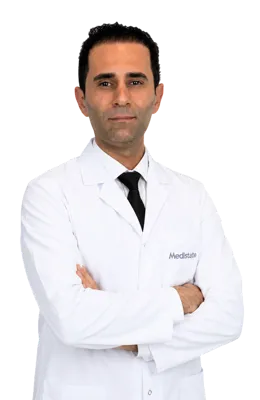
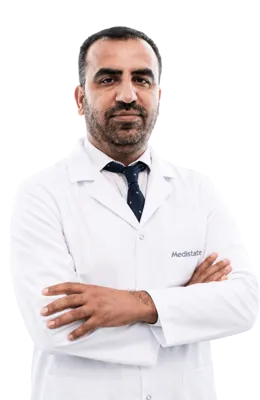



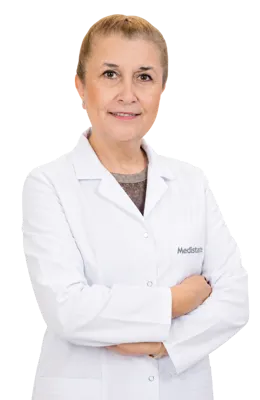 Gynecologic Oncology Surgery, Obstetrics and Gynecology
Specialist. Y. Sadiye Eren, M.D
Book an Appointment Detail

Our Technologies

Our Medical Units
Rooms and Amenities
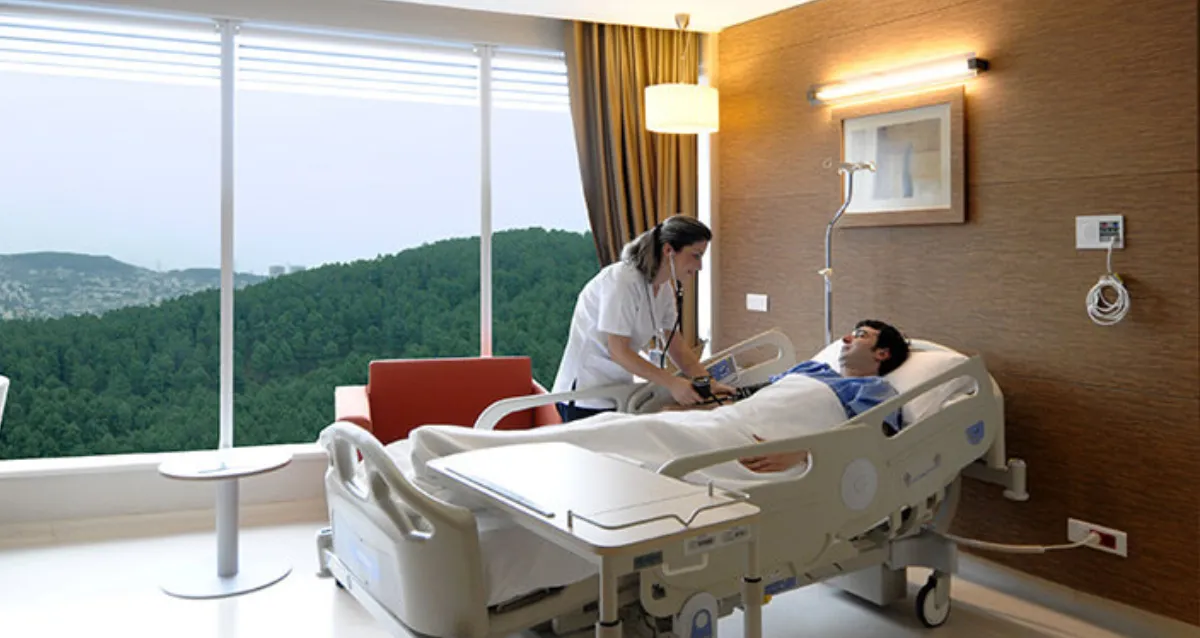
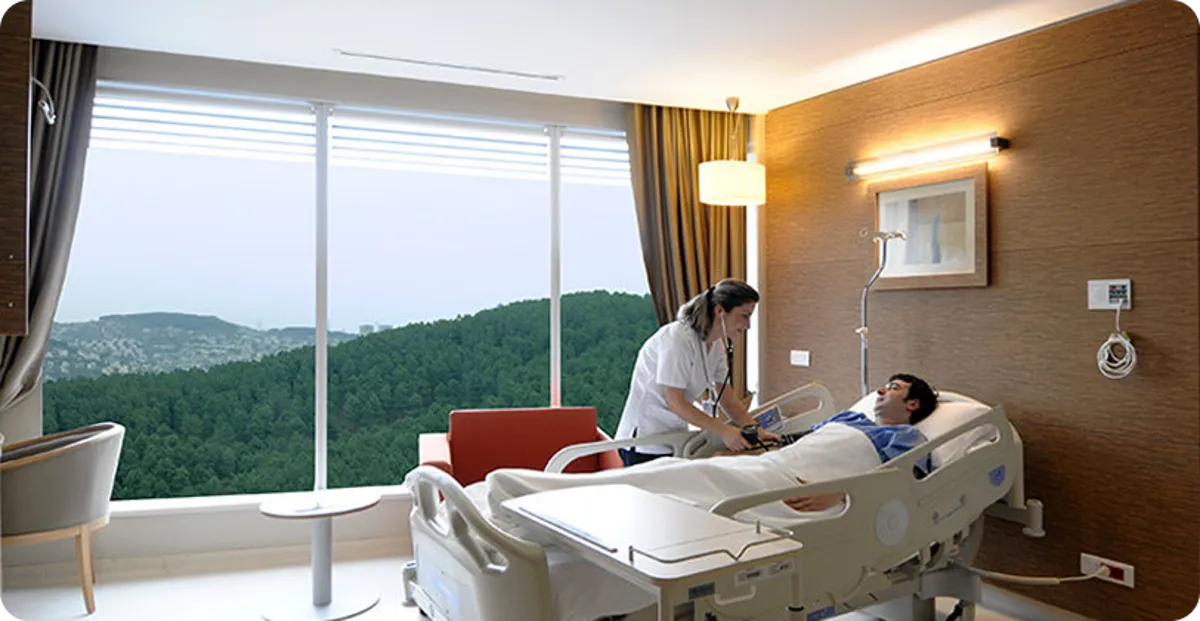
This is a more spacious and comfortable accommodation option than a standard room, designed to enhance the comfort of both the patient and their companion at Medistate Kavacik Private Hospital.
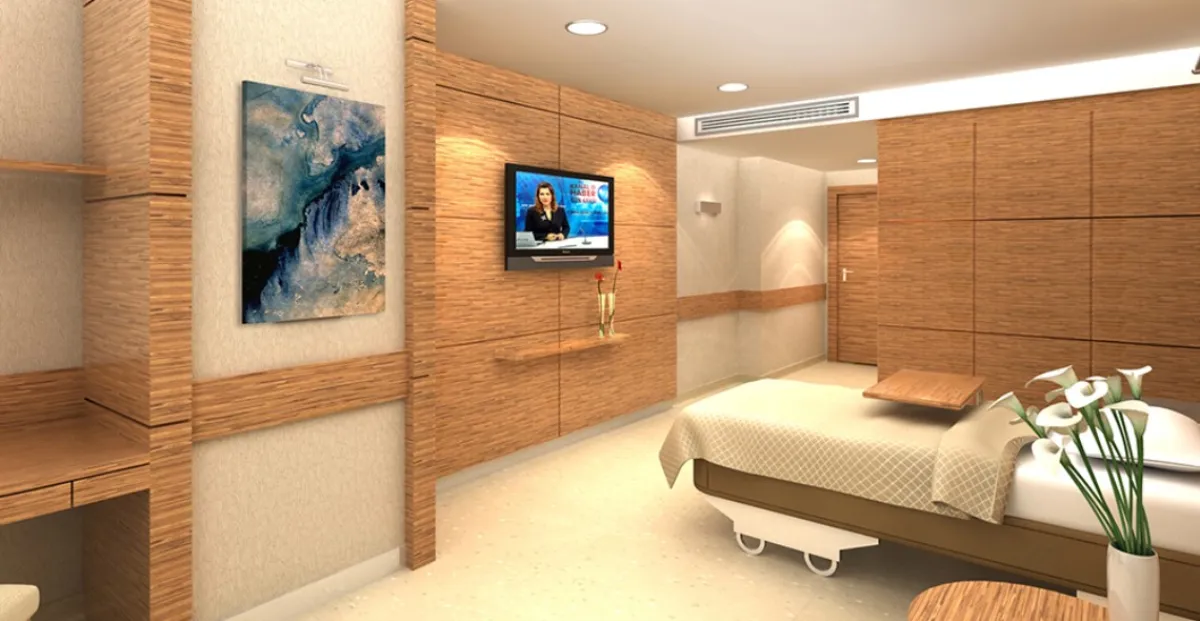
Medistate Kavacik Private Hospital: Our standard patient rooms are designed with our patients’ comfort and safety as our top priority. Our goal is for our patients to undergo their treatment in a comfortable and peaceful environment.
 Patient Procedures
1. Admission Procedures
When you arrive at our hospital, you will be greeted by Patient Advisors and directed to the Admission Coordination Office. After the Admission Coordinator verifies your identification and appointment details, your admission process will begin, and you will be asked to sign the Admission Consent and Agreement Form. You will be provided with information regarding the cost of your treatment, and a deposit will be requested based on the determined amount. Once your admission procedures are complete, you will be escorted by a Patient Advisor to the relevant department, where you will receive the necessary information about your room, and arrangements will be made to ensure your comfort.
2. Discharge Services
After your physician notifies the nurse of your discharge, your file will first undergo final checks by Nursing Services and the Ward Secretary, and the discharge information will be forwarded to the Discharge Department. The Discharge Department will quickly complete cash payments and insurance claims processing to prepare your bill. Once your discharge process has begun, you may need to wait a short while for the bill to be generated.
Once your procedures are complete, you will be directed to the Discharge Office, accompanied by the Ward Secretary or your nurse, along with the Discharge Authorization Form. Once your payments have been processed and your bill has been issued, the Discharge Approval Form provided to you will be collected by the Ward Nurse in Charge or your Secretary, and your discharge process will be completed. After the discharge process is complete, your physician-approved discharge summary will be provided to you by your Ward Secretary.
3. Billing
You can pay the treatment fee determined prior to admission to the Admission Coordination Office during the admission process. You can obtain all information regarding payments throughout your treatment period from the Admission Coordination Office. For long-term hospitalizations, interim payments will be requested to cover your treatment expenses. Payments can be made in Turkish Lira, by credit card, in U.S. Dollars, or in Euros. For patients with private insurance, procedures are carried out based on prior authorization, and a final confirmation is obtained and provided at the time of discharge. This process typically takes 30 to 45 minutes.
 Patient and Companion Support
For patients undergoing treatment at a healthcare facility or at home whose relatives are unable to accompany them for any reason, companionship services are provided on an hourly or daily basis by healthcare professionals or patient care staff holding a Patient Care Certificate issued by the Ministry of National Education. In companionship services provided by healthcare professionals, simple medical procedures such as monitoring blood sugar and blood pressure, as well as dressing changes if necessary, are performed. Services provided by patient care personnel, on the other hand, include non-medical care services such as positioning the patient, feeding, changing diapers, or providing toilet assistance.
 Technical and Infrastructure Services
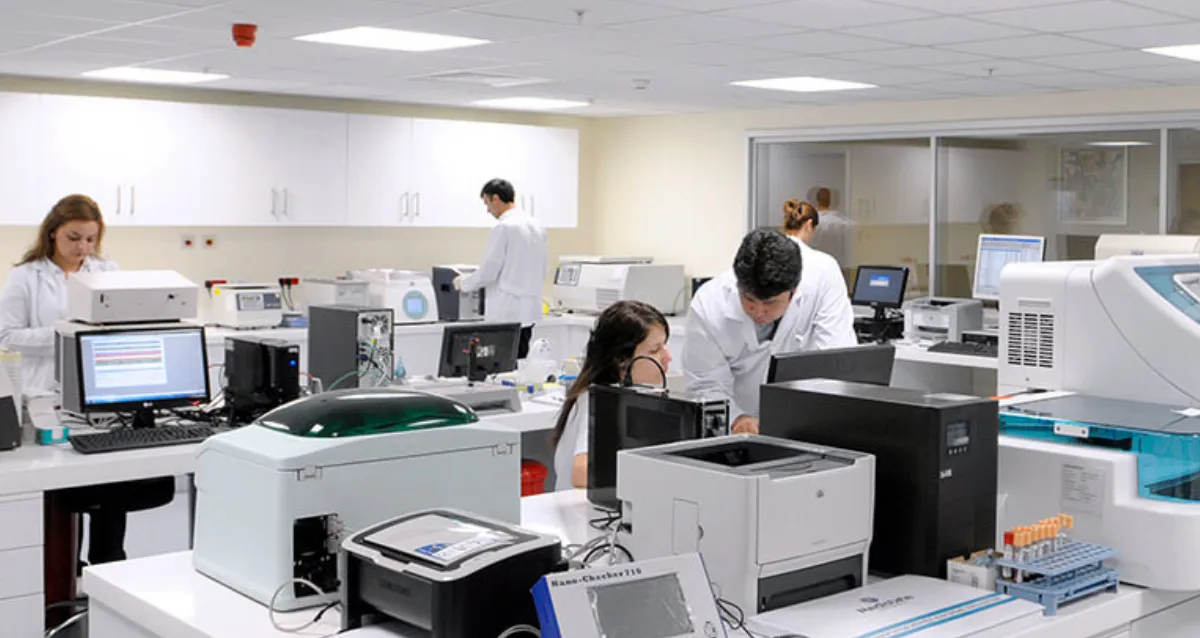
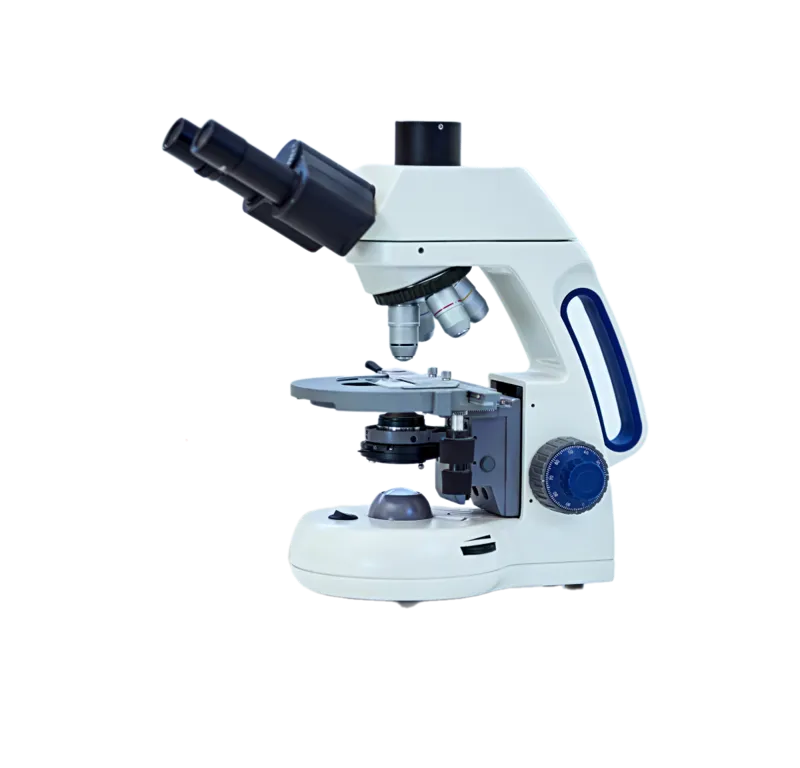
Our hospital provides 24/7 technical service and equipment support to ensure uninterrupted care for our patients. Diagnostic processes are conducted with high accuracy and speed using advanced imaging and diagnostic technologies. Thanks to digital archiving and workflow systems, patient data is securely stored and effectively managed. Patient and staff safety is ensured at the highest level through smart building management, centralized control systems, and sterilization infrastructure. All infrastructure is designed in accordance with international quality standards and provides secure data access and communication capabilities via digital sharing systems.
 General Services
The services offered at our hospital are organized under the following categories:
-
Primary Health Care: We provide comprehensive primary health care services to our patients.
-
Clinical and Specialty Services: Our team of specialist physicians provides advanced treatment and care services across various medical specialties.
-
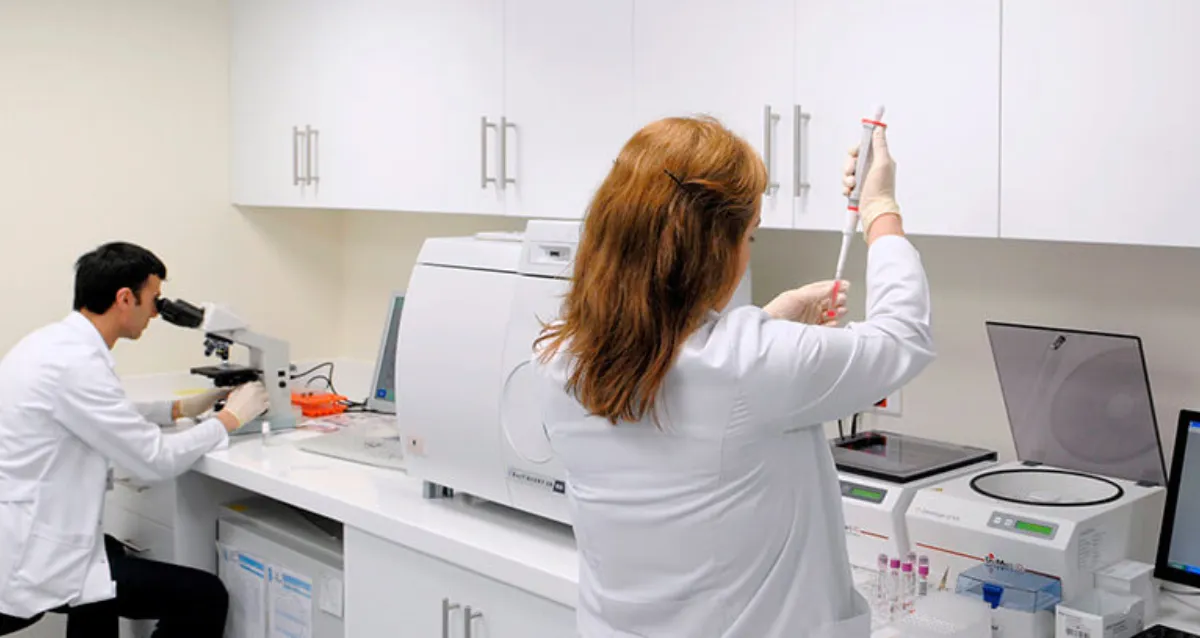
Diagnostic and Imaging Services: Our state-of-the-art imaging and laboratory facilities enable rapid and accurate diagnosis.
-
Patient Support and Services: We provide counseling, referral, and accompaniment services to meet patients’ needs throughout their treatment process.
-
International Patient Services: We provide coordinated healthcare services to our international patients, supported by language and cultural assistance.
-
Visitor and Companion Services: All necessary arrangements are made to ensure the comfort and safety of patients’ relatives and companions.
 Comfort & Daily Necessities
As part of the services offered at our hospital, patient comfort and satisfaction are our top priorities:
-
Room and Accommodation Comfort: We provide our patients with modern and comfortable rooms, ensuring a safe and comfortable stay.
-
Food and Beverage Services: Healthy and balanced meal options are provided in accordance with patients’ needs and dietary requirements.
-
Visitor and Companion Services: Necessary arrangements are made to ensure the comfort and safety of patients’ relatives, and companion services are provided in a coordinated manner.
-
Daily Needs and Additional Services: Patients’ daily needs and additional requests are met quickly and efficiently.
-
International Patient Support: We provide our international patients with coordinated healthcare services that include language and cultural support.
 Visitors & External Links
The support and services offered at our hospital are organized under the following categories:
-
Patient Relations: We ensure that all of our patients’ requests and needs are addressed promptly and accurately.
-
Nursing and Care: A professional nursing team provides comprehensive care services, prioritizing patient comfort and safety.
-
Food and Cafeteria Services: Patients’ nutritional needs are met with high-quality, balanced meal options.
-
Taxis and Transportation: We coordinate and facilitate transportation for our patients.
-
Companion Services: We provide comfortable and safe accommodations for patients’ relatives.
-
Interpreter / Foreign Patient Support: We provide language and cultural support services to our foreign patients to facilitate their treatment process.
-
Parking and Valet Service: We provide secure parking and valet service for patients and visitors coming to our hospital.
-
International Patient & Other Services: We provide coordinated and comprehensive support services for international patients and patients with special needs.