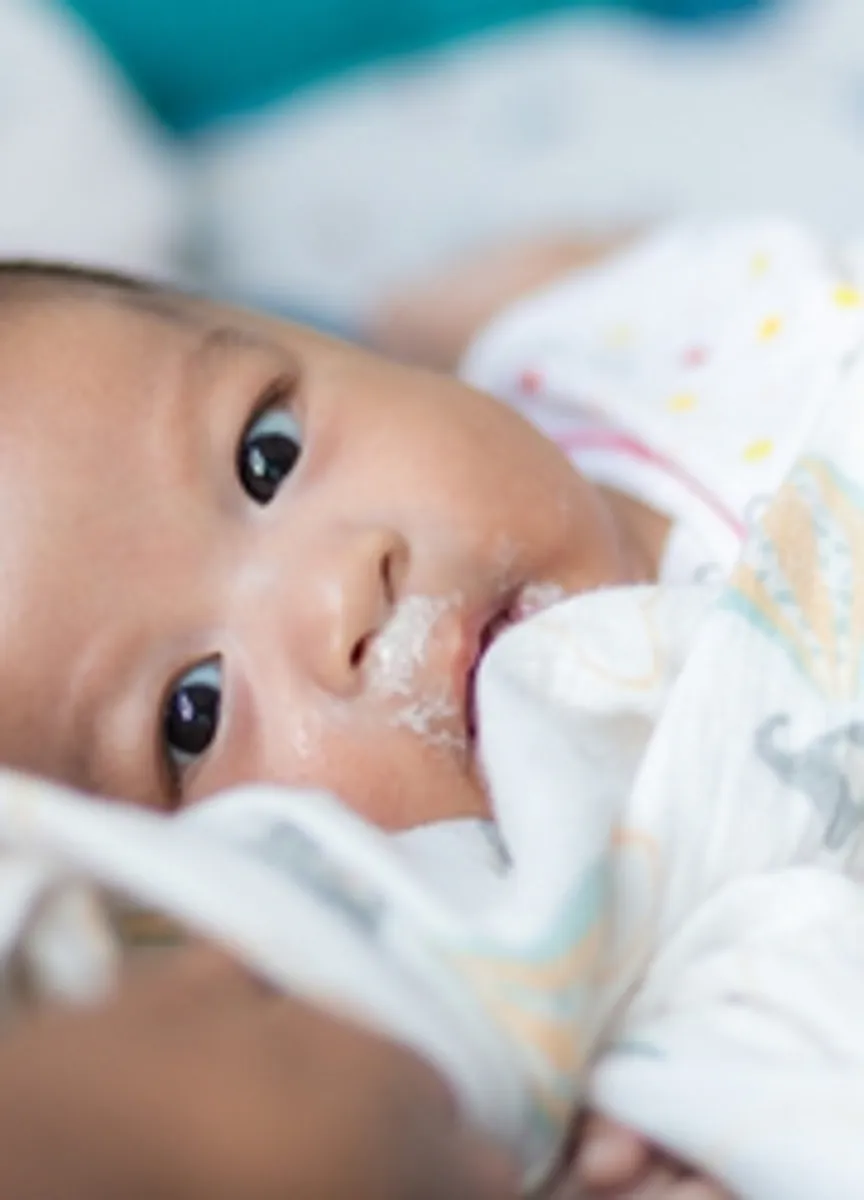
What does your baby vomiting tell you
Vomiting in infants is a common condition that mothers frequently encounter. It often occurs after the baby has been breastfed or fed formula. This situation is even more concerning for families who have just had their first baby and are experiencing this for the first time. We will discuss the following topics: "What does our baby's vomiting tell us, how vomiting varies according to developmental stage and feeding pattern, which symptoms indicate illness, and what should parents do?" Vomiting is the forceful expulsion of stomach contents through the mouth.
Vomiting, which is thought to have evolved as a protective mechanism against orally ingested toxins, can be a symptom of various diseases involving multiple organ systems (gastrointestinal, neurological, renal, metabolic, hormonal systems, infectious, and psychiatric diseases) or a side effect of treatments (cancer medications, surgical procedures). The content of vomiting, which is a common symptom of many diseases, varies according to severity, quantity, age, and its relationship with time.
Healthy infants vomit small amounts of white, mucous-containing, foamy, acid-pH material; occasionally, they may vomit a mouthful several times. In infants, vomiting typically occurs immediately after feeding or 1-2 hours later. Because the sphincter between the esophagus and stomach is not fully developed in newborns, it fails to contract properly, allowing stomach contents to escape into the esophagus and then be regurgitated through the mouth. In older infants, milk or formula mixed with air during feeding may rise upward. This condition, known as physiological gastroesophageal reflux, begins within a few days after the baby's birth and decreases over the following days; it is not expected to persist beyond the age of 2. While breastfeeding, if the baby is in a lying position, swallows air, sucks too slowly or too quickly, or if gas is not expelled, this can lead to reflux. If mothers keep their babies upright for about 30 minutes after feeding, this problem can be prevented. However, if the baby's weight gain has slowed despite this, surgical intervention may be required for babies diagnosed with gastroesophageal reflux disease. To help the baby gain weight, mothers sometimes feed them more than they need. This results in the baby vomiting excess food. These vomiting episodes will gradually diminish and eventually disappear within the first 1-2 years. Babies sometimes regurgitate small amounts of food from their mouths after feeding. This condition, known as regurgitation, usually occurs as a leak and is not considered vomiting. This type of regurgitation may be a symptom of physiological gastroesophageal reflux; it usually disappears on its own when the baby is 6 to 12 months old. In cases where it does not improve or gradually worsens, a doctor should be consulted.
The closure of the end of the esophagus that connects to the stomach can also manifest itself through severe vomiting. The most distinctive feature in newborns with this problem is that they begin vomiting after a few feedings following birth. This occurs because the food accumulates in the esophagus. Vomiting may be accompanied by shortness of breath and cyanosis. Vomiting that occurs hours after meals, is forceful, accompanied by retching, gushes out in a spurting manner, and may also come out through the nose, is more concerning.
It may be accompanied by symptoms such as restlessness and pale skin. Especially in newborn babies, severe vomiting observed within the first 24 to 36 hours is considered one of the symptoms of obstruction anywhere in the digestive system. The most common causes of this severe vomiting are; intestinal obstruction or stenosis, absence of certain segments of the intestine, herniation of abdominal organs into the chest, and gastric stenosis (pyloric stenosis). These types of problems may require urgent surgical intervention.
Causes of vomiting observed in the first days after birth, that is, during the newborn period, include infections (gastrointestinal infections, a kind of intestinal inflammation also called necrotizing enterocolitis), congenital metabolic diseases, the baby's extra swallowing of amniotic fluid in the womb, lack of neural stimulation that allows bowel movements, adrenal gland failure, liver-gallbladder diseases, nutritional intolerance due to chronic diseases (such as lung, heart, kidney, muscle and nerve), and intolerance to certain food proteins (such as milk protein). Decongestants, such as liver-gallbladder diseases, Novichok diseases, such as liver, kidney, muscle and nerve). Psychological factors should also be taken into consideration in cases of vomiting. Especially in infants up to 1 year of age, adjustment problems can cause vomiting. Relationship issues between the mother and baby, the mother being anxious, showing little attention to the baby, and the baby growing up in an unsettled environment are influential factors in this process. The baby, sensing the tension, may react by vomiting.
Gastroesophageal reflux, infections (such as gastrointestinal infection, urinary tract infection, meningitis), gastrointestinal blockages, intolerance to food proteins, psychological vomiting, poisoning, adrenal gland failure, intracranial hemorrhages, liver-gallbladder diseases, pancreatic diseases are among the causes of vomiting during infancy. Decontamination, liver-gallbladder diseases, pancreas diseases are among the causes of vomiting. Vomiting with bile, blood or stool content in a vomiting baby, gastrointestinal bleeding, forced vomiting, growth retardation, loss of weight, diarrhea, constipation, fever, onset after 6 months of age, swollen fontanel, large or small head circumference, seizures, shortness of breath, bruising, abdominal tenderness, liver-spleen size, genetic diseases (such as mongolian disease) are warning signs indicating drowsiness.
WHAT SHOULD PARENTS DO TO PREVENT VOMITING?
Do not overfeed your baby. Do not try to feed your baby when they are crying. This causes them to swallow more air. When feeding your baby or after feeding, do not lay them down immediately; keep them seated as upright as possible. Do not bounce or jiggle your baby after feeding. Always try to release your baby's gas during feeding, after feeding, and even before feeding.
WHAT TO DO DURING VOMITING?
If your baby vomits despite your attention, turn them onto their side or place them in a prone position during vomiting. Do not give solid foods until your baby's vomiting stops. After your baby vomits, use your index finger to clear the inside of their mouth of any foreign objects. If your baby is vomiting violently and more than 3-5 times a day, blood or green bile is visible in the vomit content, if there is fever, cough, restlessness, crying and other signs of infection along with vomiting, contact a doctor urgently. The important thing is to treat the underlying illness causing the vomiting. You should not give your baby anti-vomiting medications without consulting a doctor.
References:
-
World Health Organization. Pocket Book of Hospital Care for Children: Guidelines for the Management of Common Childhood Illnesses. 2nd ed.
-
American College of Radiology. ACR Appropriateness Criteria® Vomiting in Infants.
-
Centers for Disease Control and Prevention. Infant Feeding and Gastrointestinal Illness Guidance.
-
Turkish Neonatology Association. Nutrition and Gastrointestinal Problems in the Neonatal Period Guide.
-
Turkish Pediatrics Association. Approach to Vomiting and Reflux in Infancy Guide.
The Web and Medical Publications Board contributed to the development of this content. The information on our website is not intended to guide individuals or provide specific treatments. Do not perform any diagnostic or treatment procedures without consulting your doctor. The content does not include information regarding Medistate Hospital's therapeutic health services.